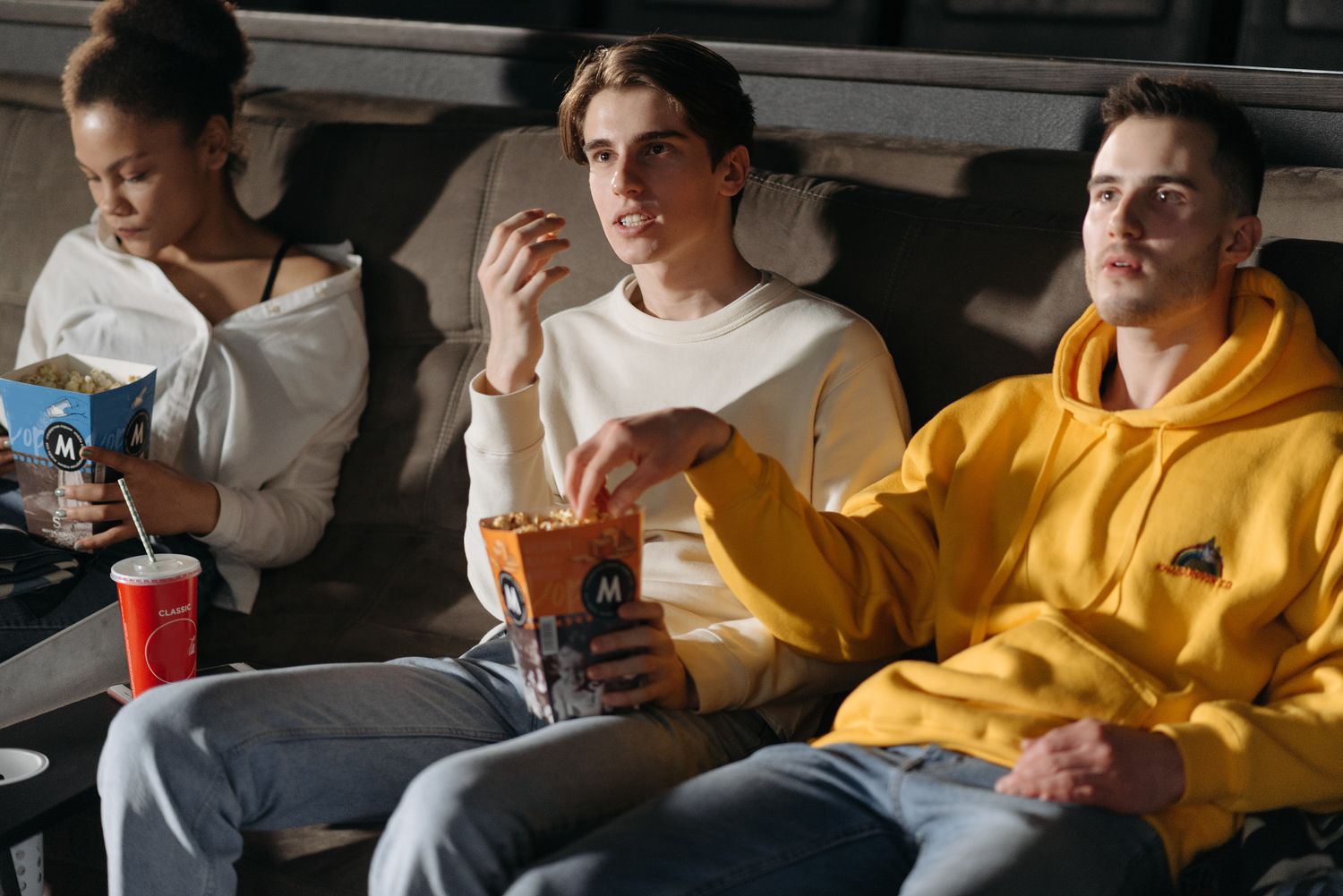
Planning a film night around a theme
A shared idea narrows the choice, while mood, language and available time still shape the evening.
On screen, on the record, around the table.
A shared idea narrows the choice, while mood, language and available time still shape the evening.

Following sequence, transitions and recurring sounds without immediately rating every track.
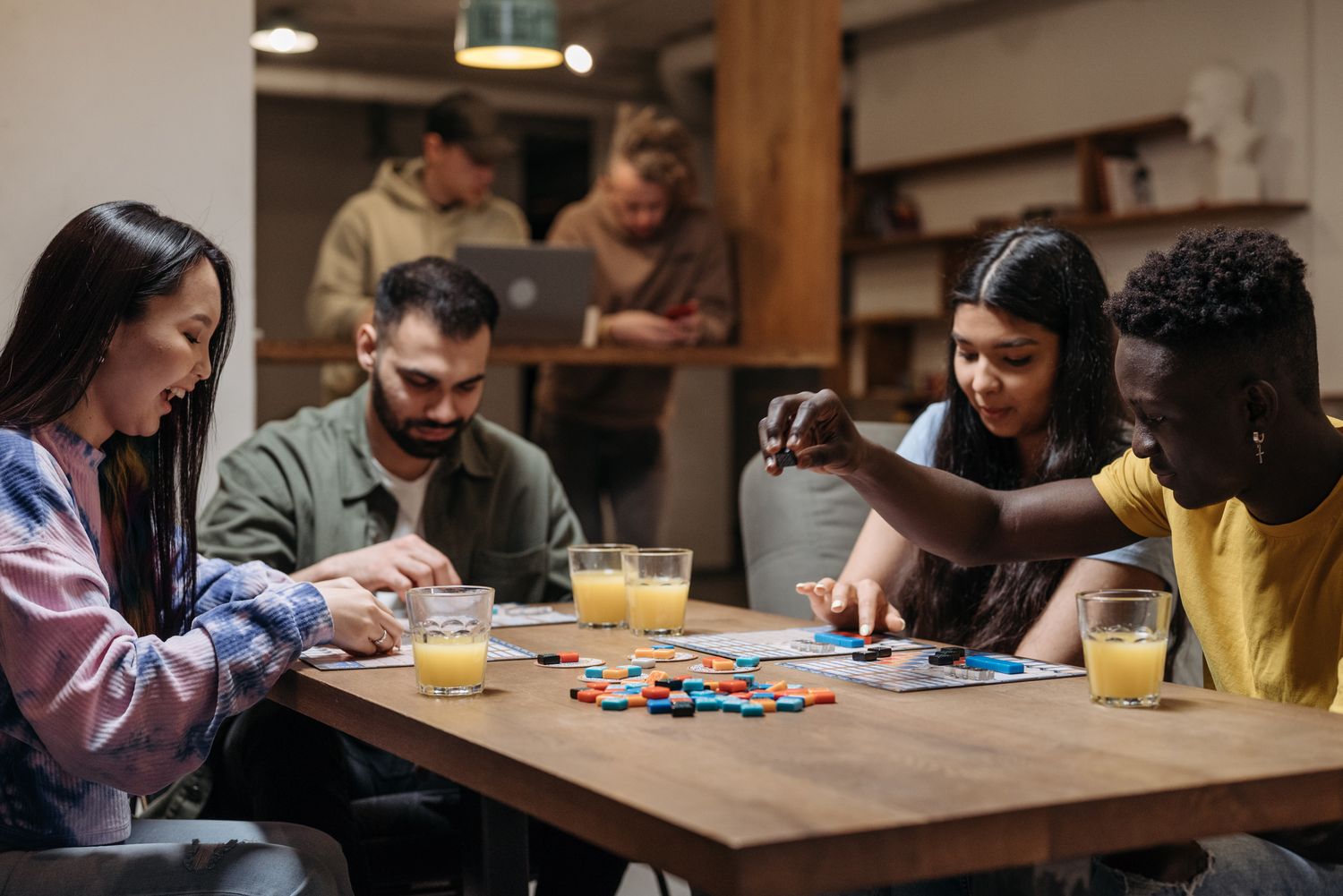
A clear objective, a sample turn and an agreed way to handle questions beat reading the rulebook aloud.
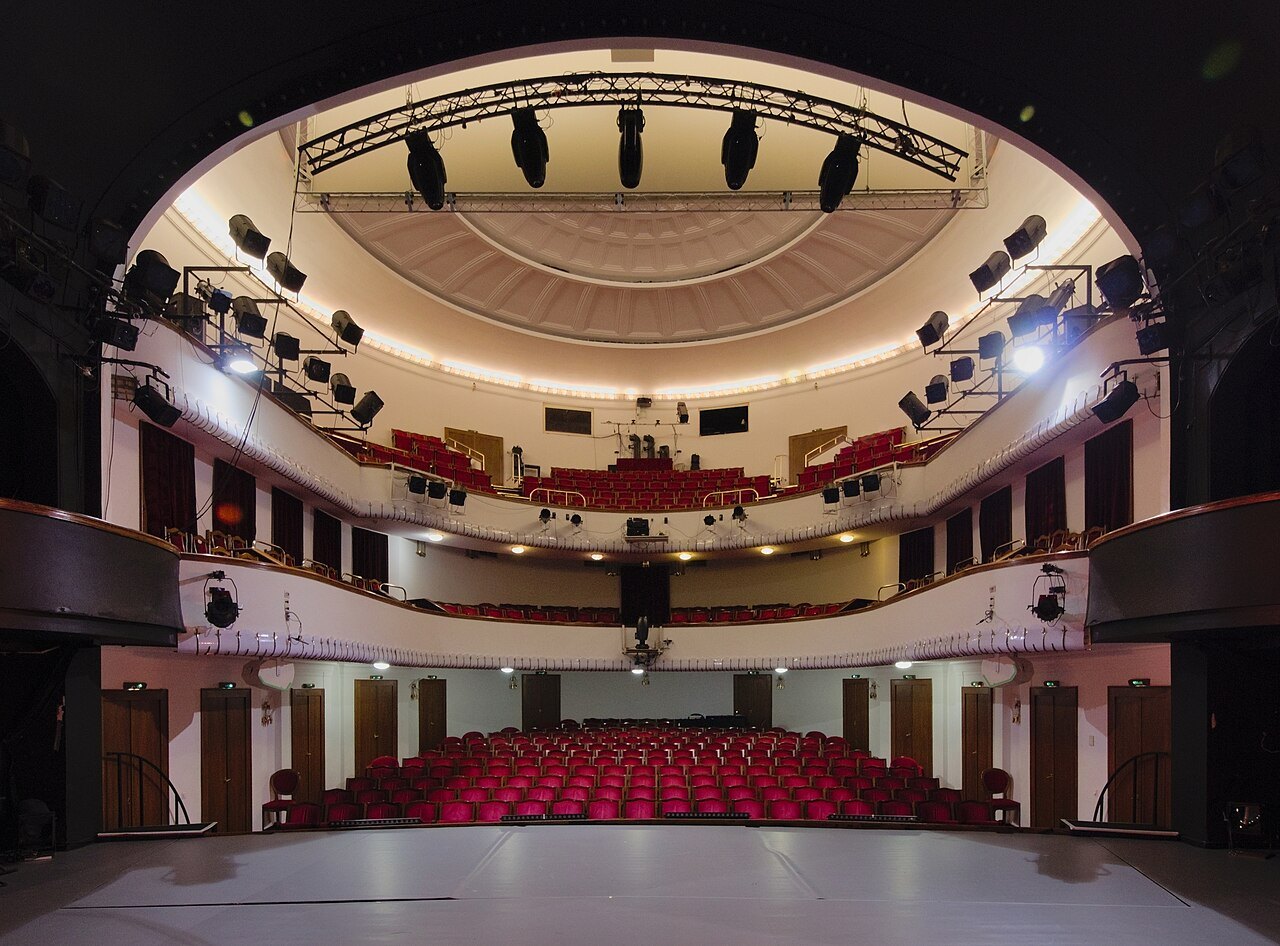
What to establish before your first theatre evening.

Stop-motion combines photographed materials with movement designed one frame at a time.
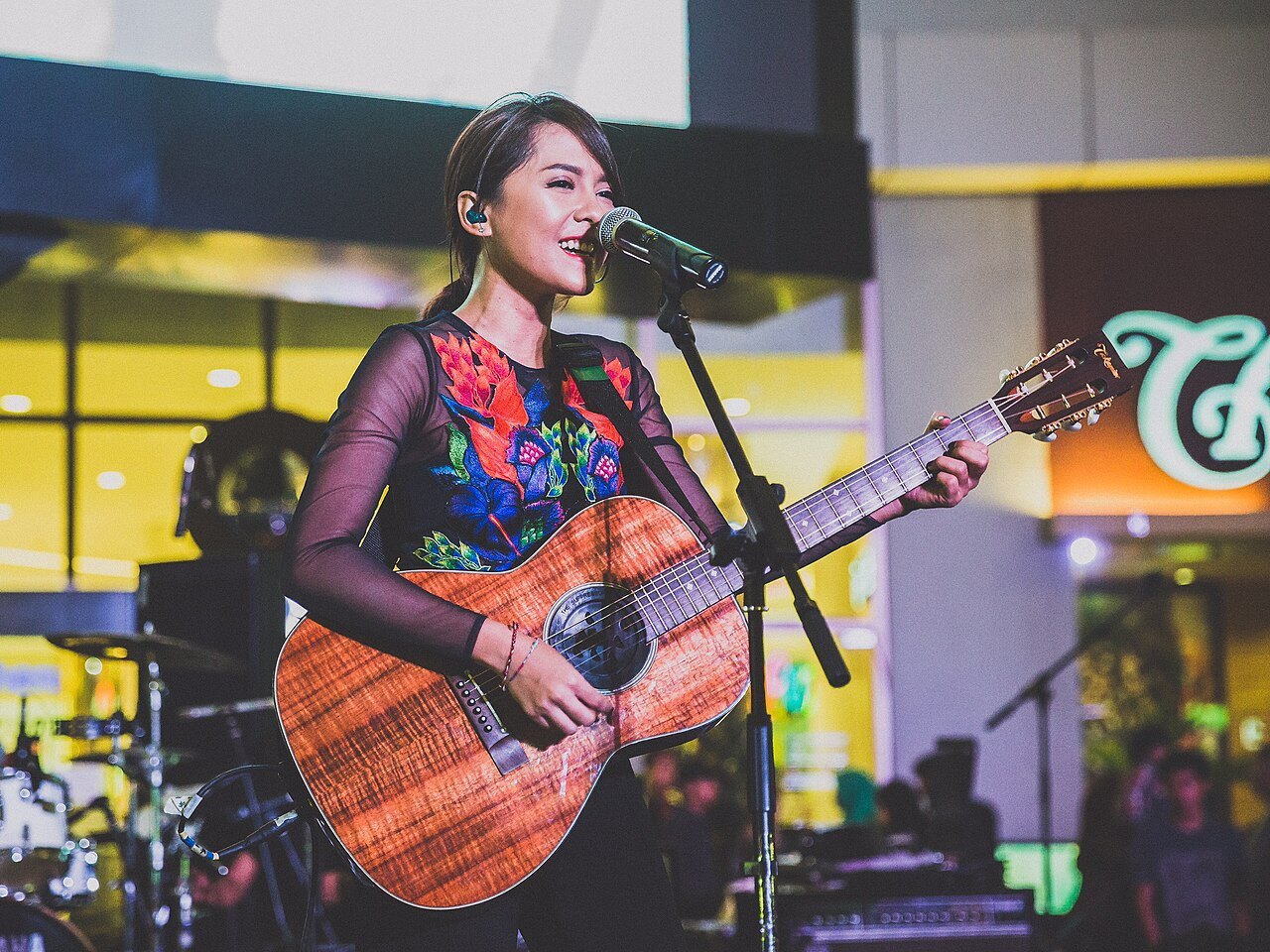
Considering melody, words, pace and perspective as separate choices in a new version.
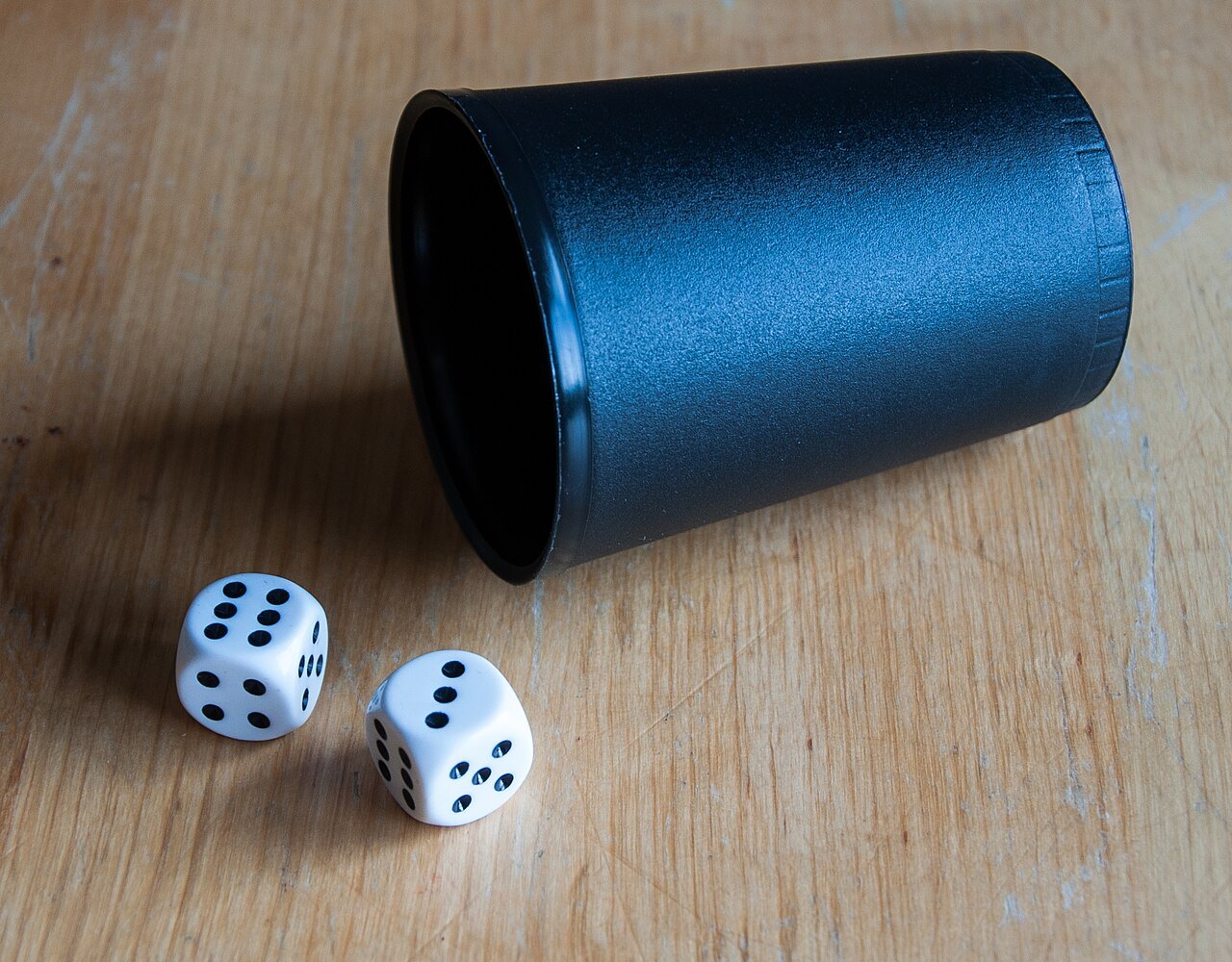
The next opportunity has a cost: progress already made may be lost.
Design questions so that different kinds of experience contribute.
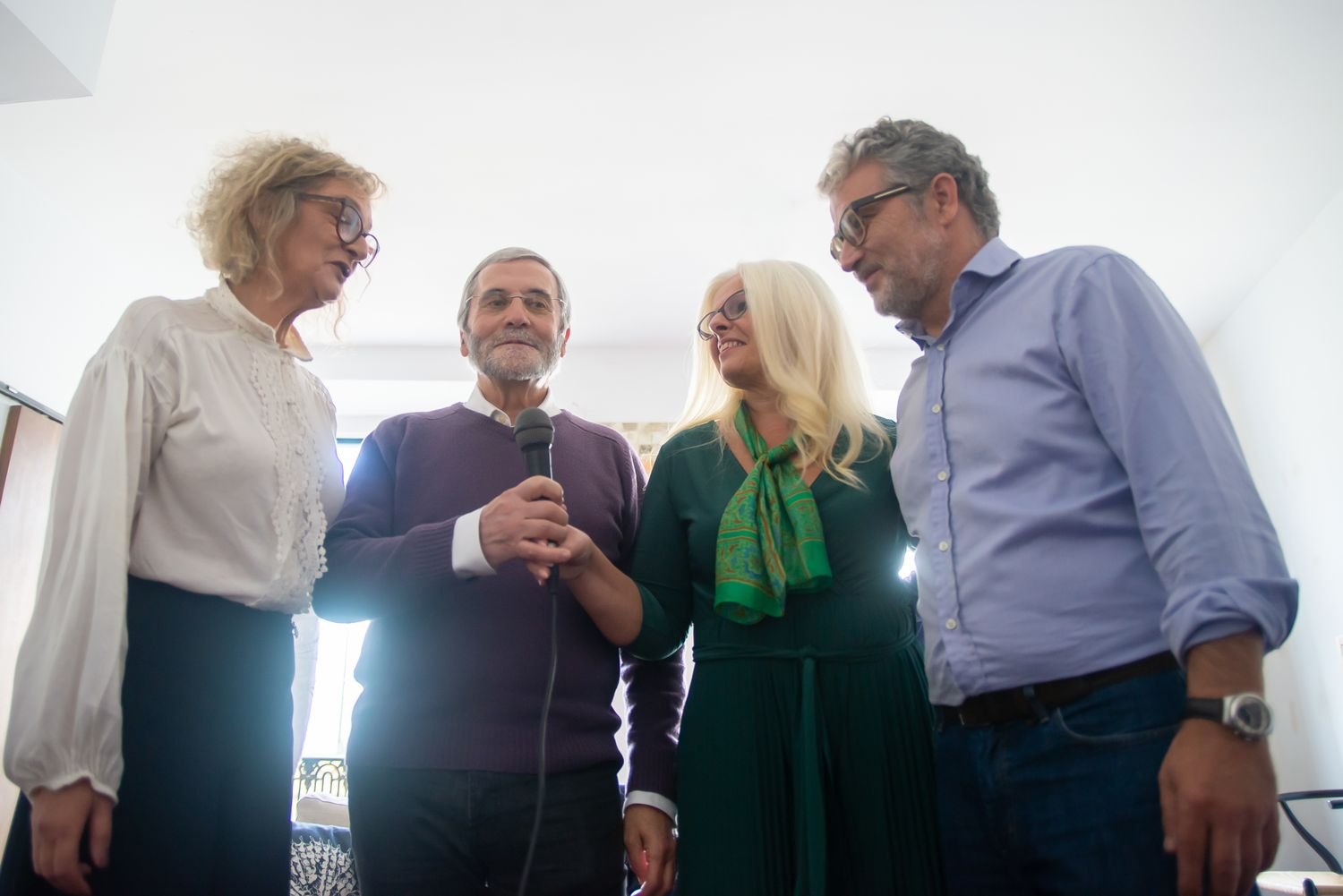
Plan songs, equipment and turns so everyone can take part voluntarily.
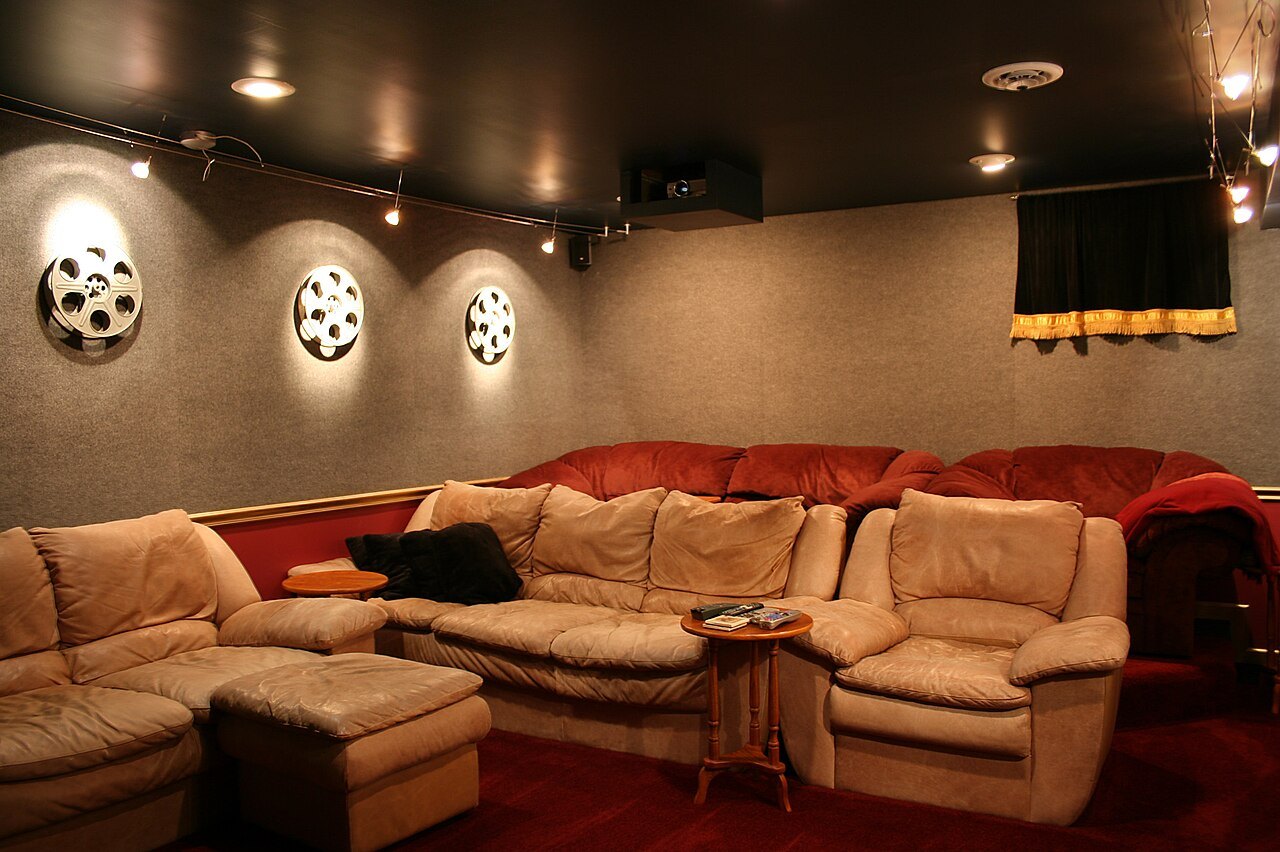
Room, light and placement jointly determine whether projection works.
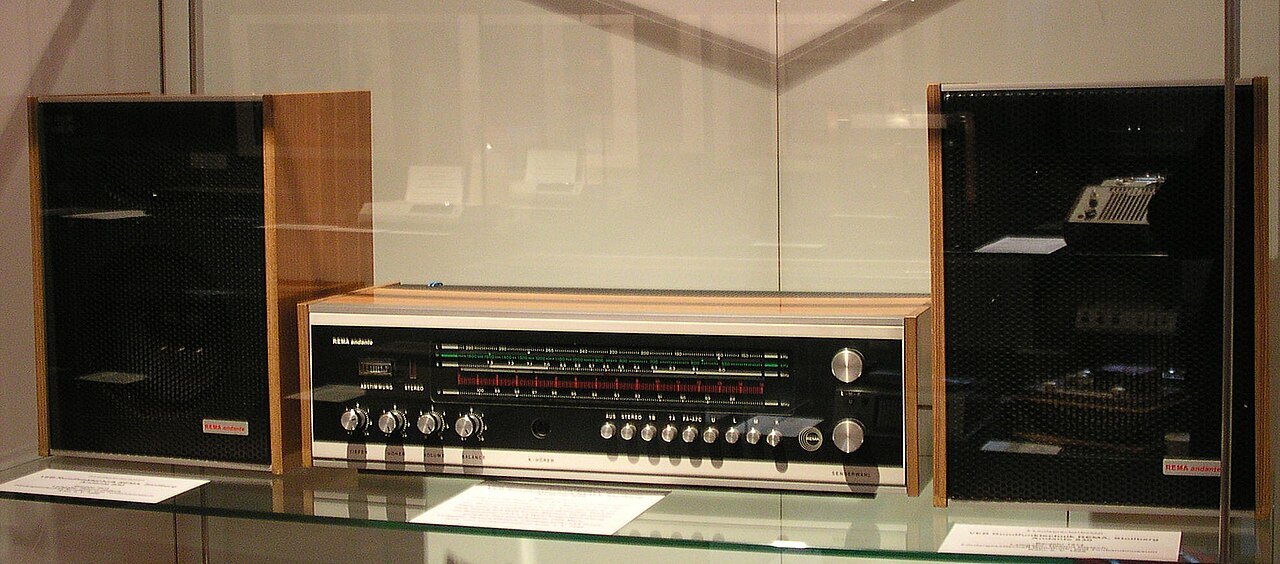
Symmetry and a defined listening position provide a starting point, not a universal formula.
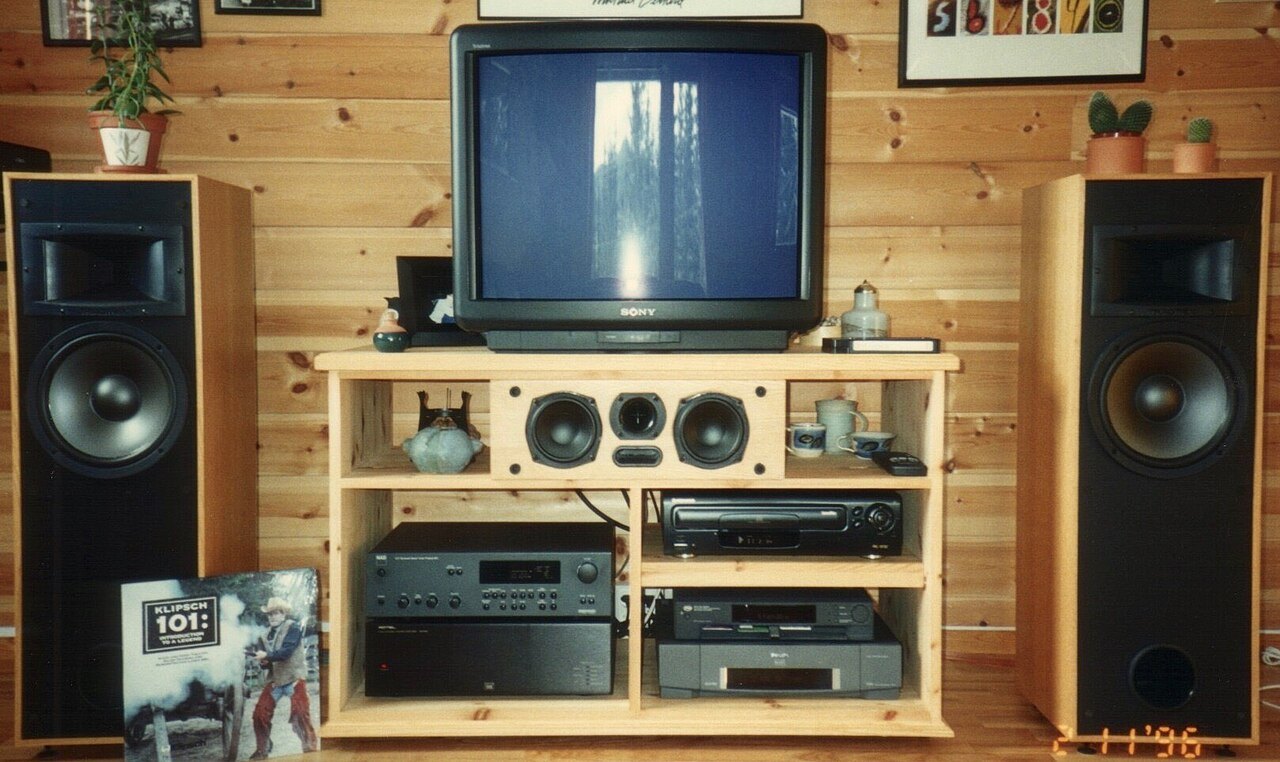
Dialogue clarity depends on the recording, playback chain and room.
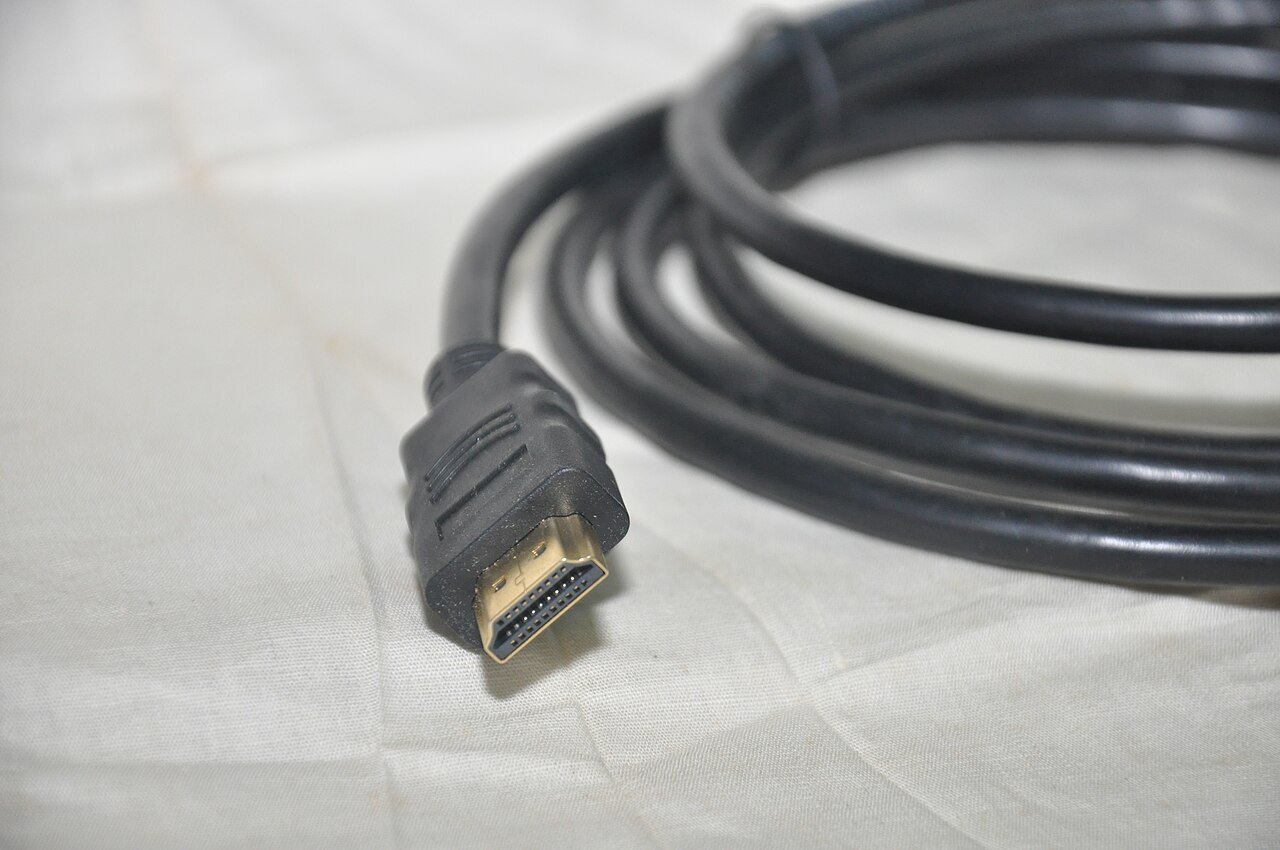
A labelled connection chain makes picture, audio and control problems easier to understand.
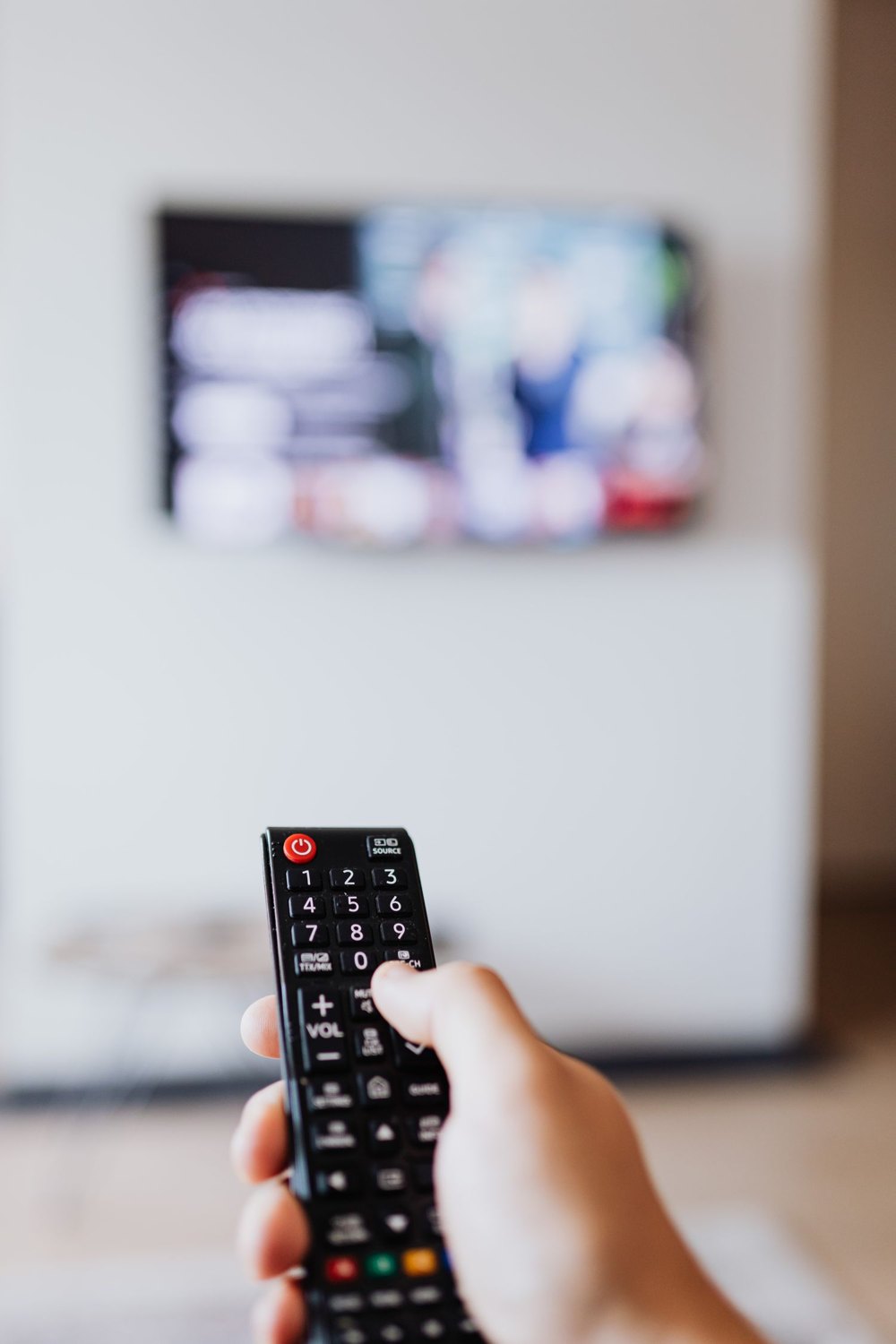
Use one repeatable scene to see what a picture mode actually changes.
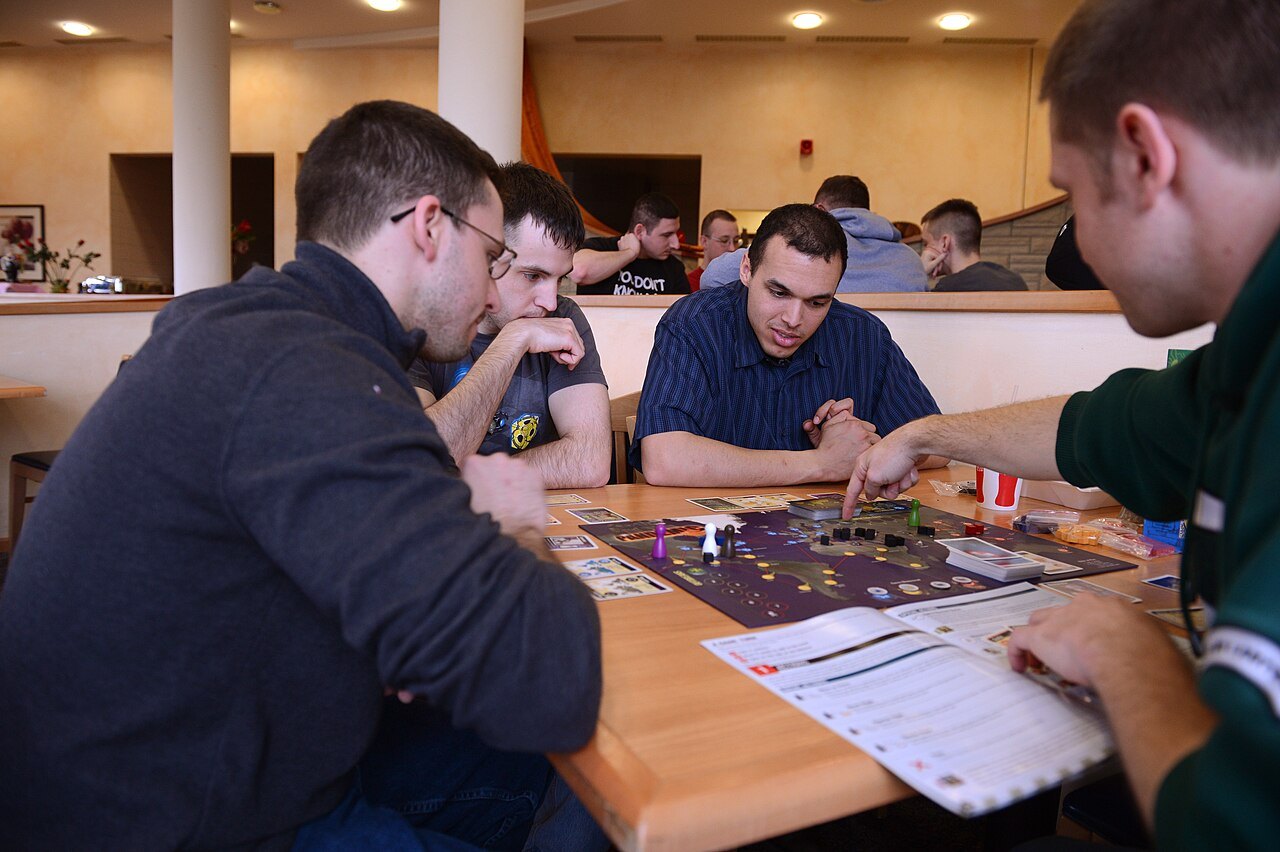
A shared objective needs shared decisions, not simply one loud voice.
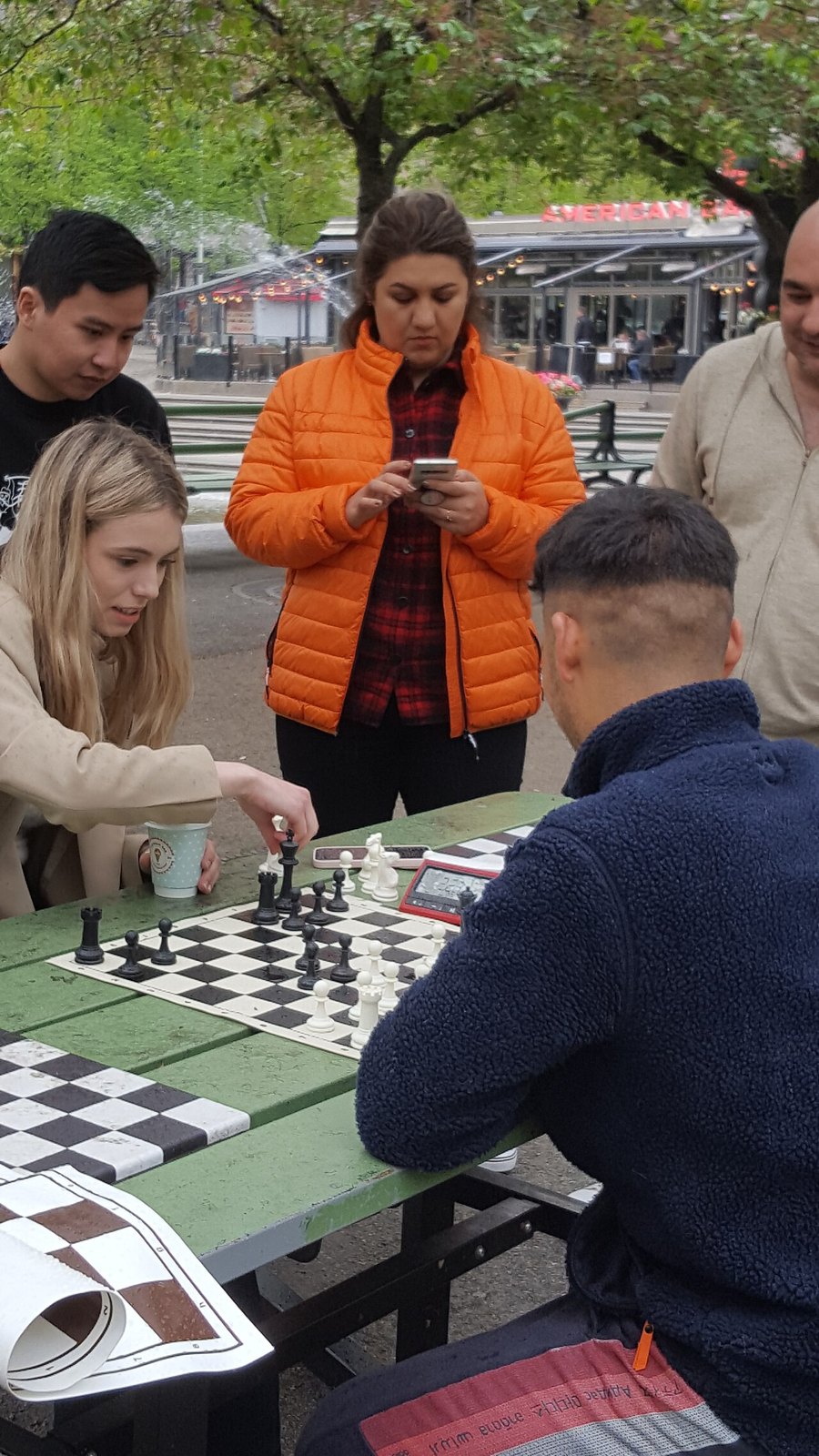
The player count on a box does not tell you how a game feels with two.
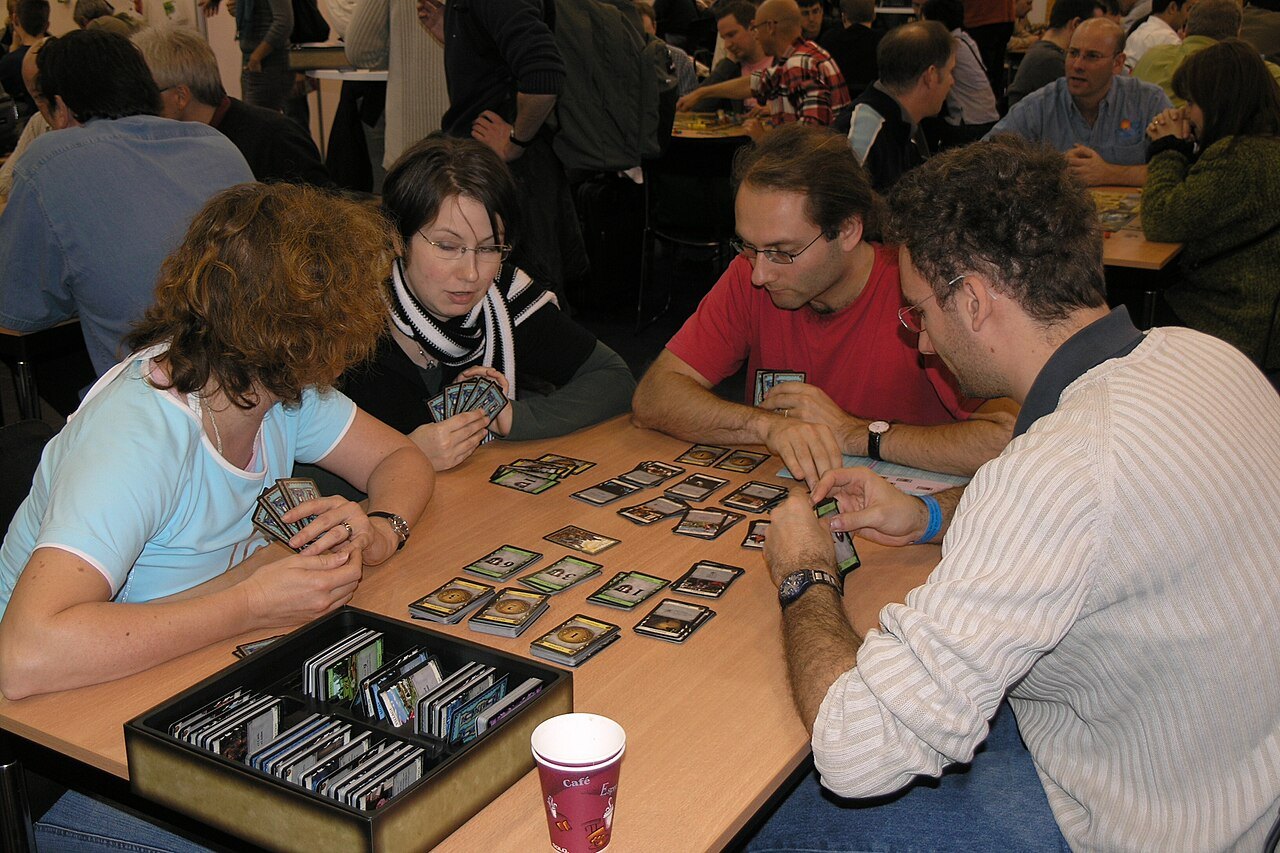
In deck building, each purchase changes both your options and the frequency of future hands.
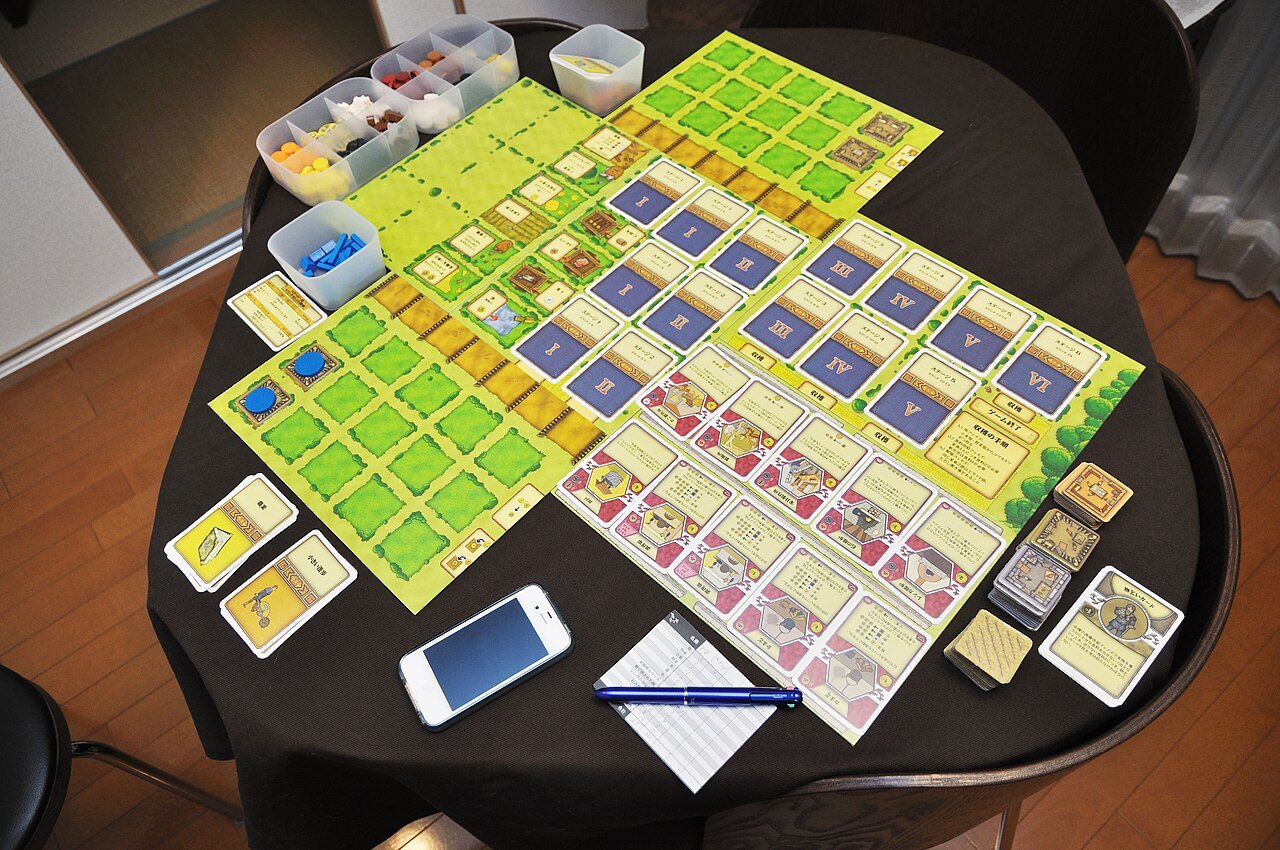
Plan the complete layout, including hands, discards and components added later.
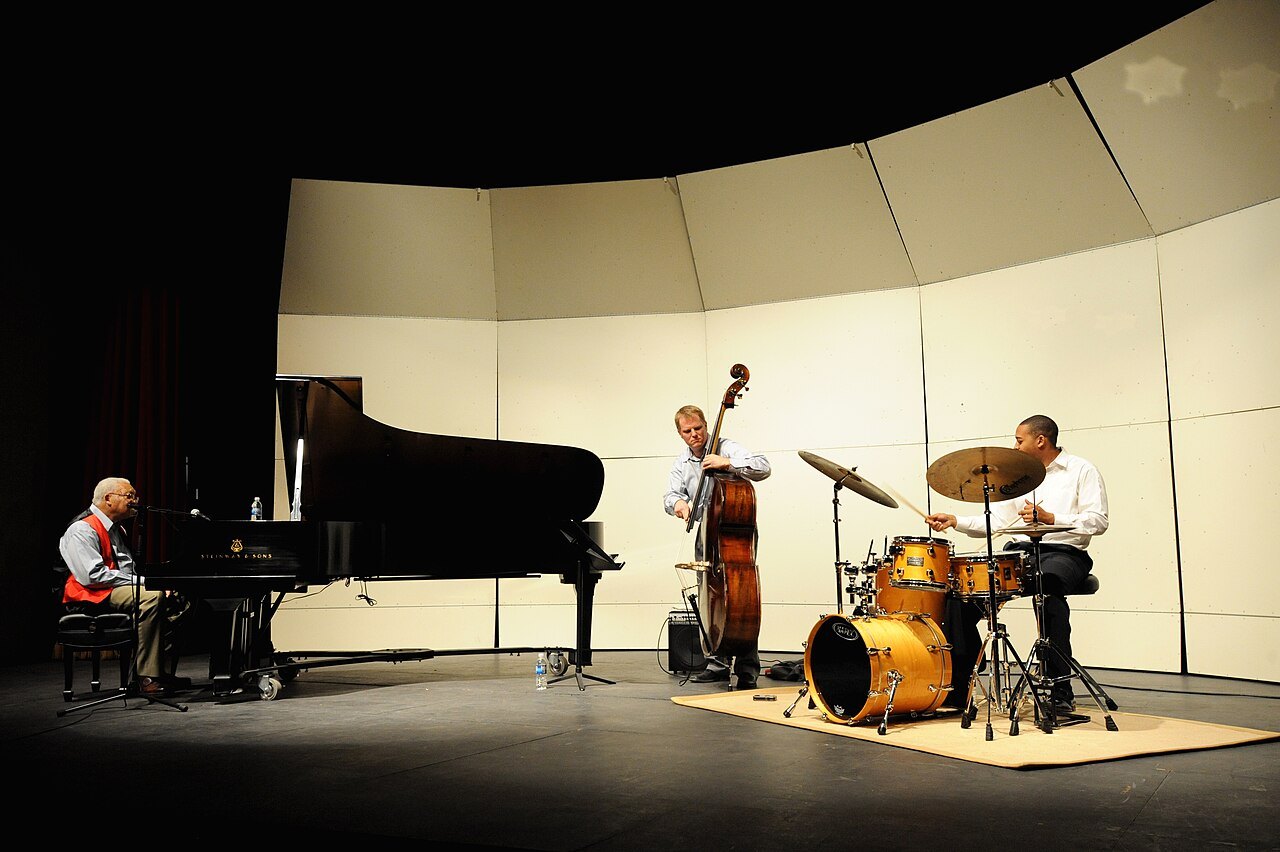
Recognising a recurring framework and hearing the other players during a solo.

Sharing a small selection while giving music, conversation and breaks their own space.
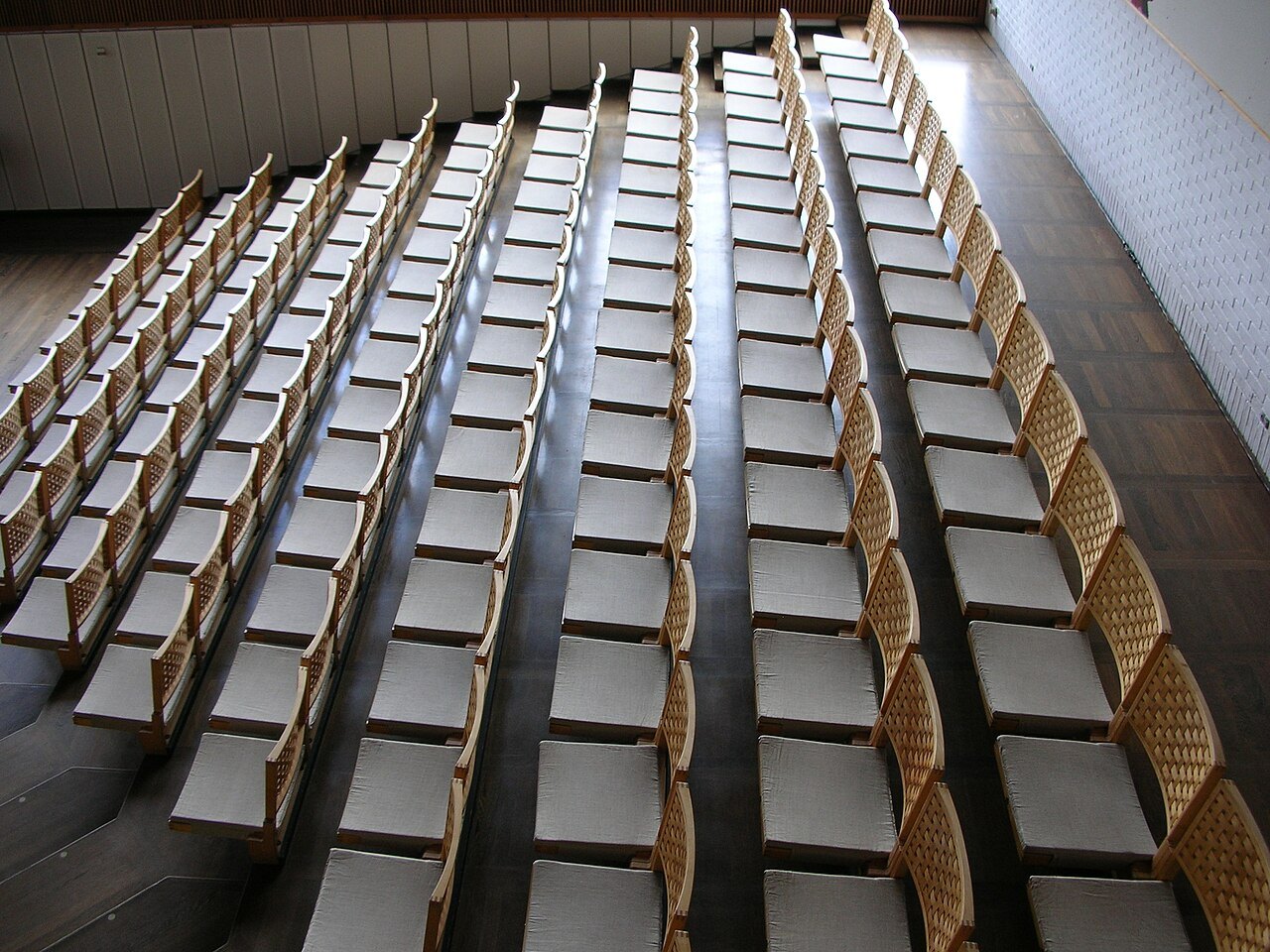
Notice instruments, room sound and the shape of a concert programme.
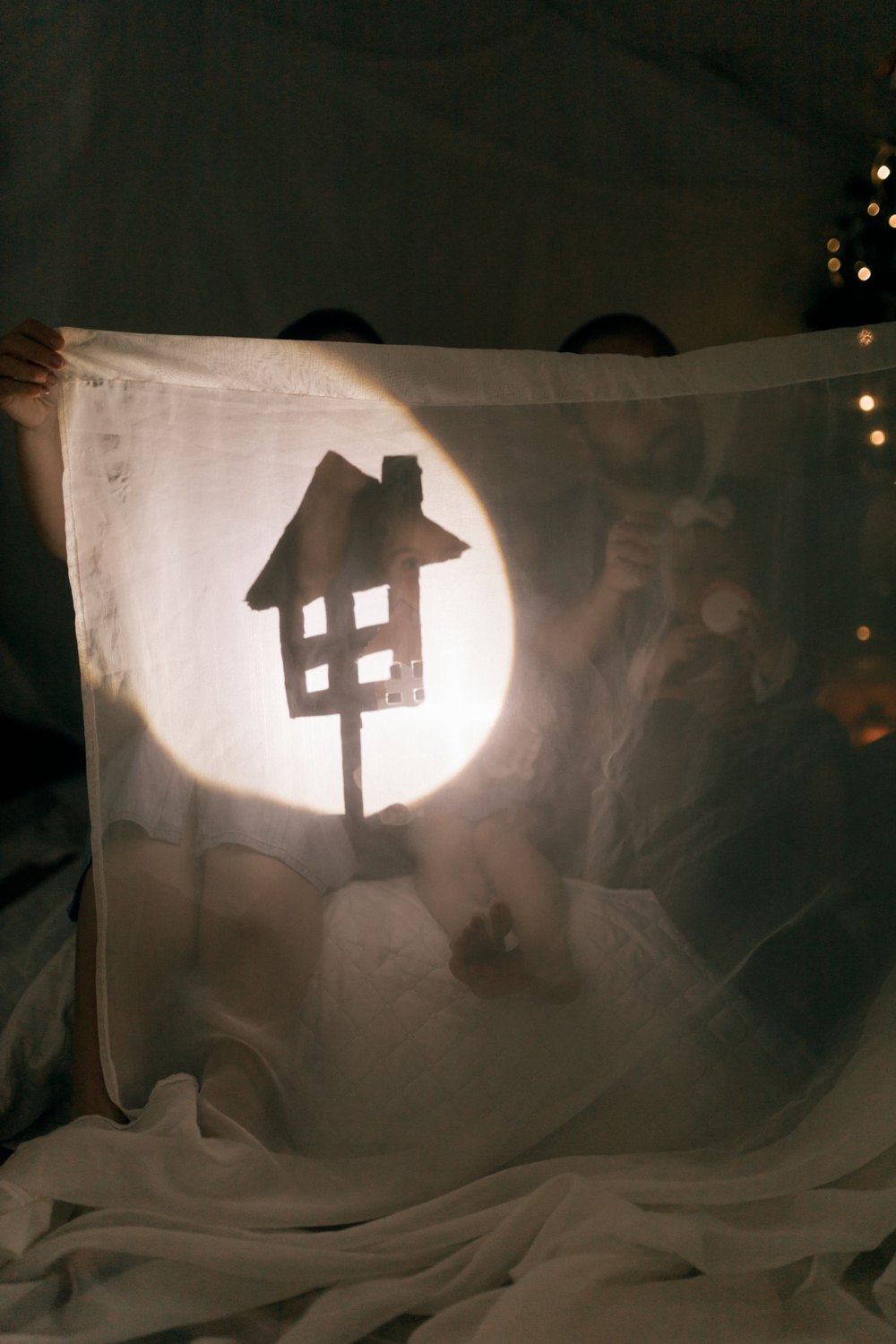
Build a short shadow scene with light, a screen and clear silhouettes.


