Tabletop games
Teaching a board game without losing the table
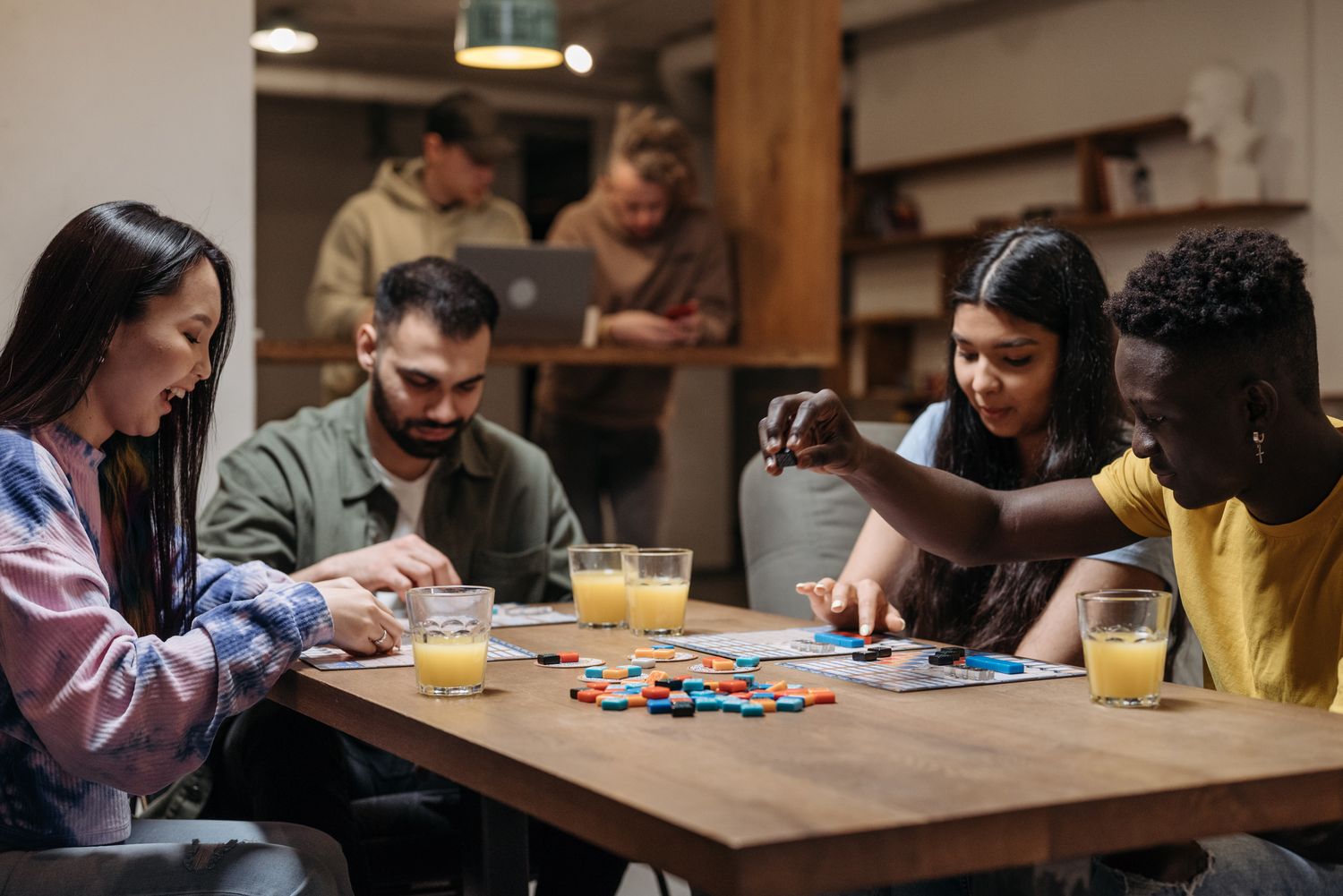
A clear objective, a sample turn and an agreed way to handle questions beat reading the rulebook aloud.
Understand game mechanisms, explain rules and bring a table together.
Tabletop games
A clear objective, a sample turn and an agreed way to handle questions beat reading the rulebook aloud.
Tabletop games
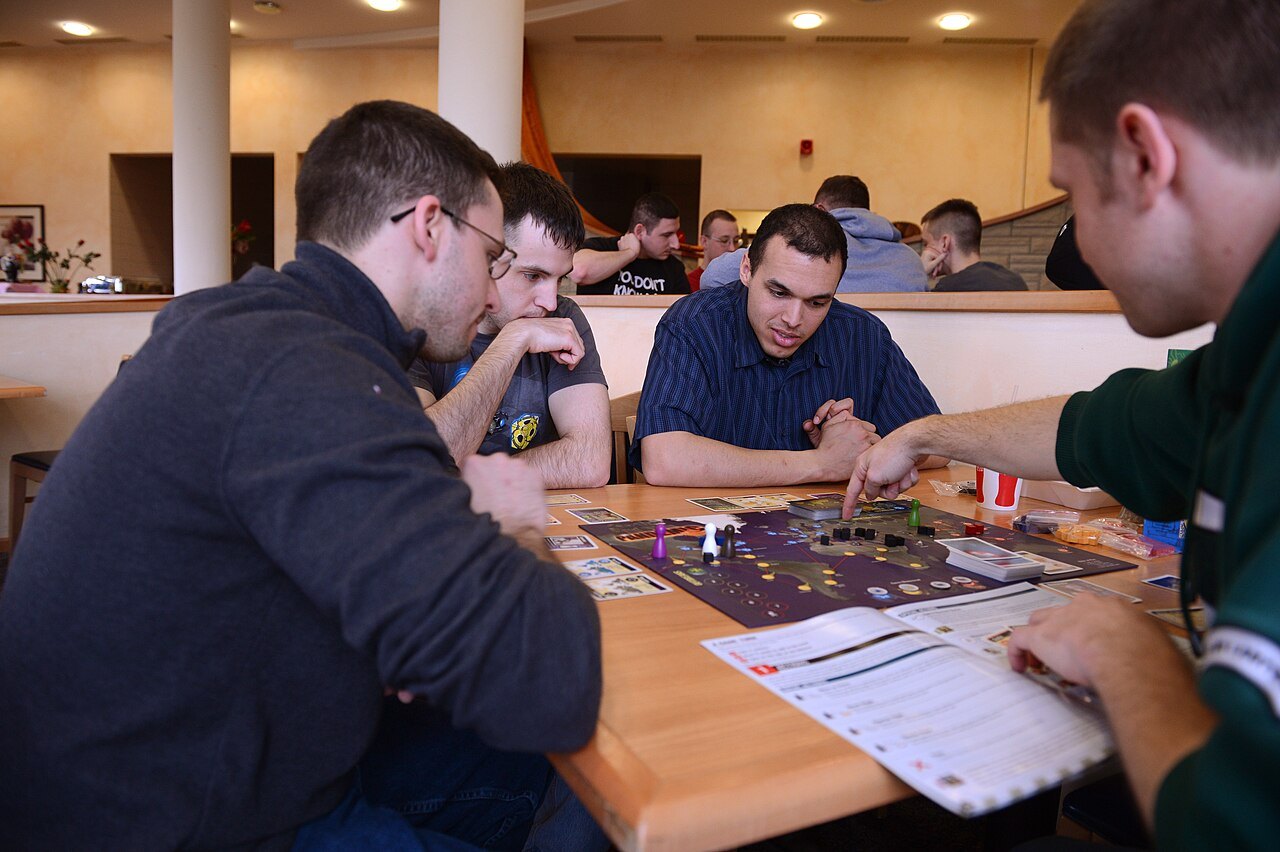
A shared objective needs shared decisions, not simply one loud voice.
Tabletop games
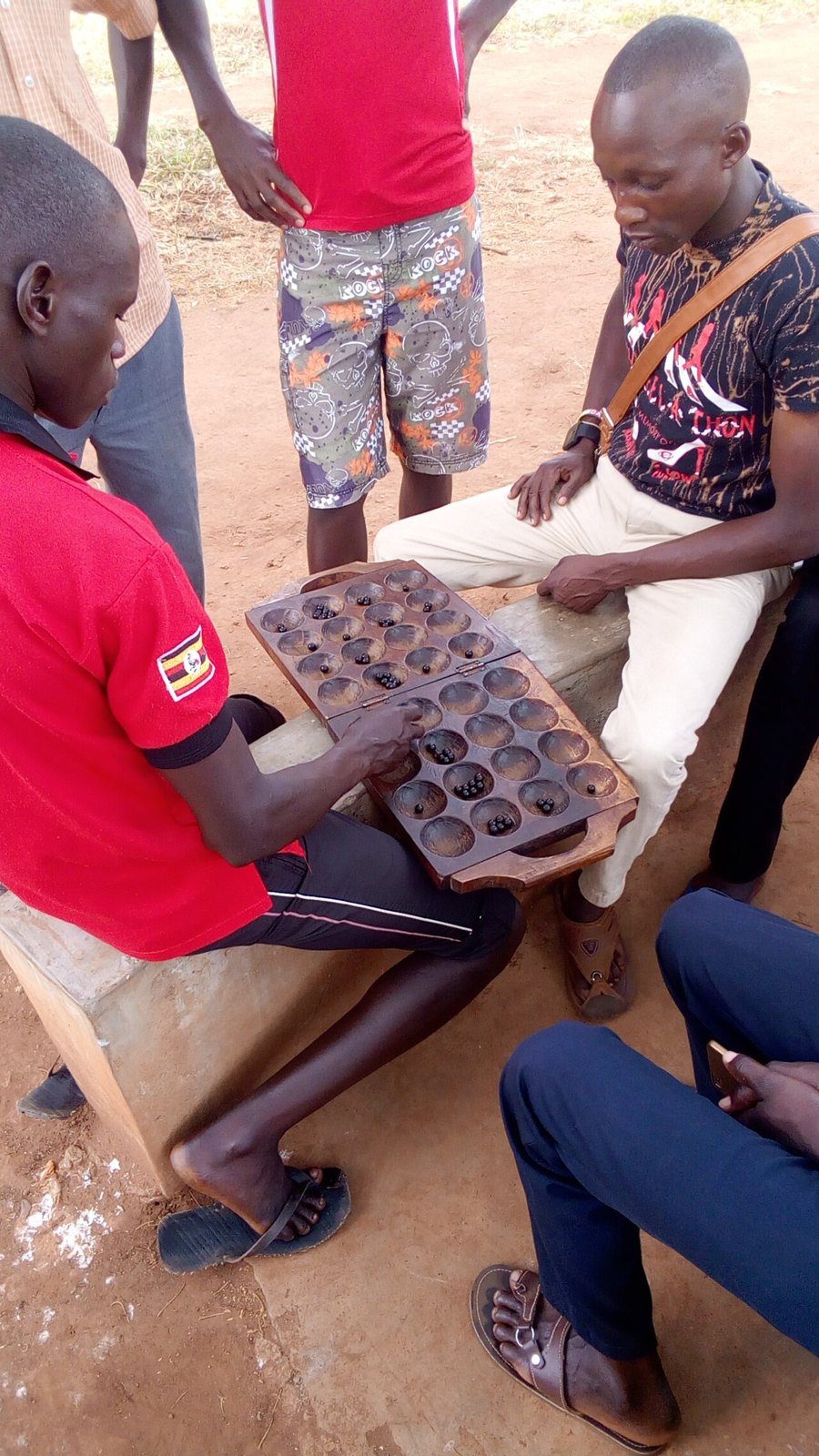
Clear agreements about help, taking back moves and commentary keep competition within the game.
Tabletop games
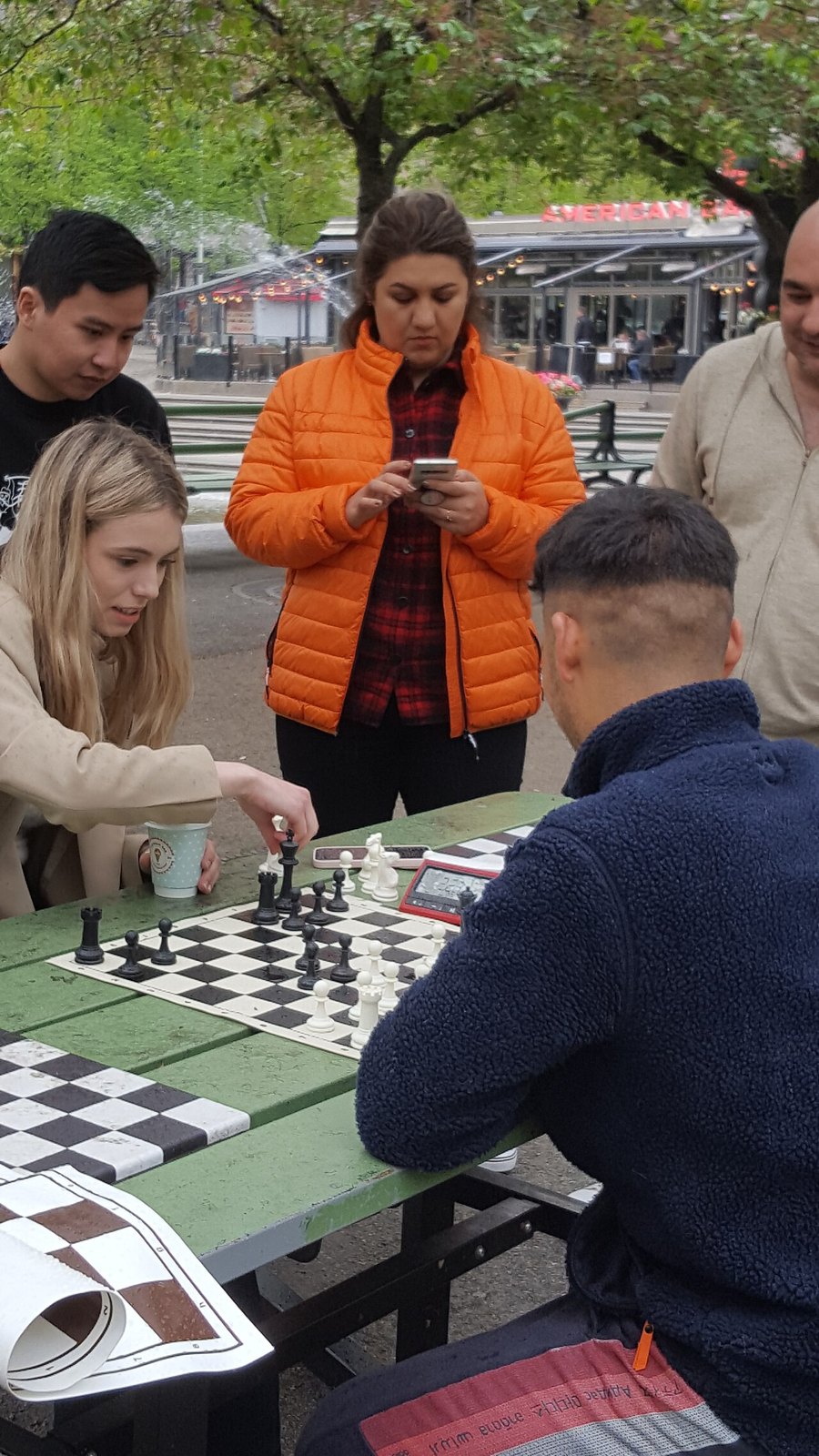
The player count on a box does not tell you how a game feels with two.

Tabletop games
A large gathering does not necessarily need one large game.
Tabletop games
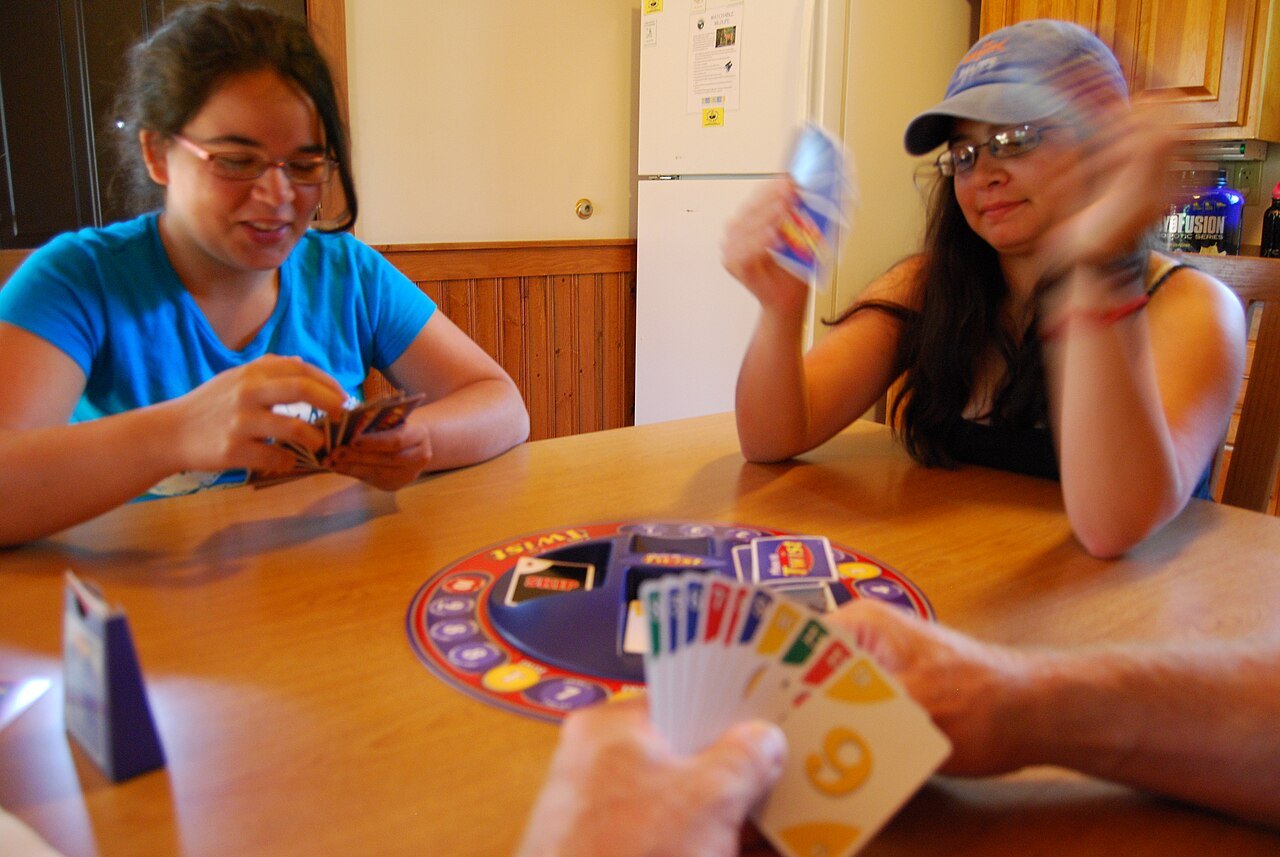
A shared learning game makes room for experience without requiring it.
Tabletop games
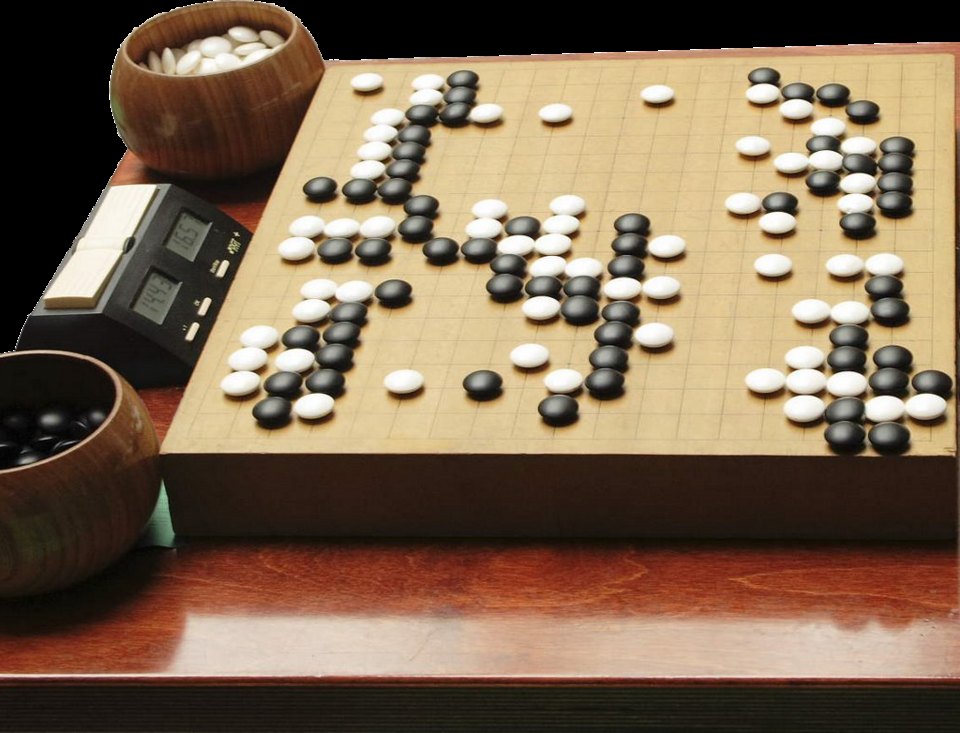
The box is a starting point; setup, teaching and player count also shape the evening.
Tabletop games
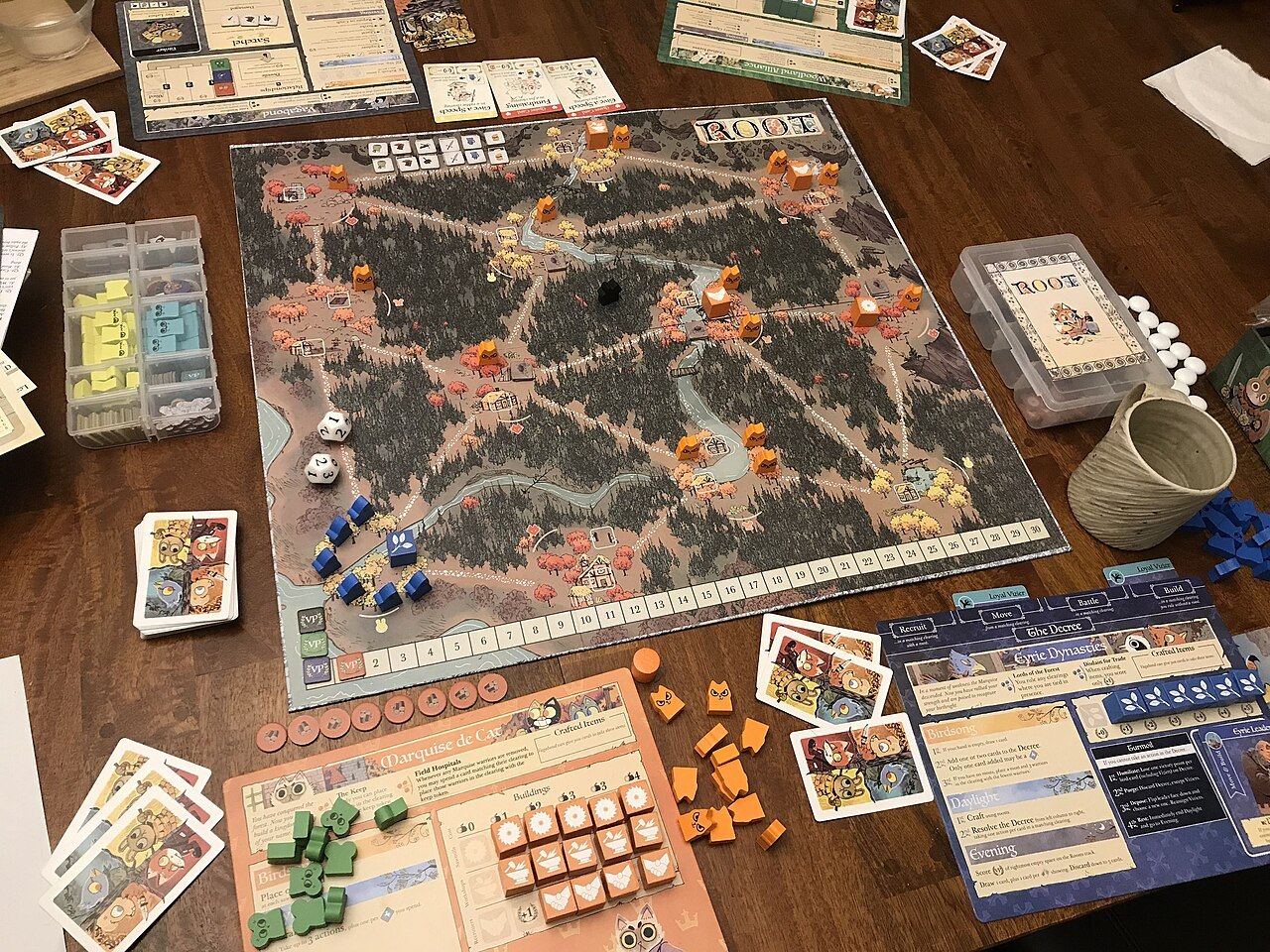
Waiting is easier when decisions can be prepared and the game state stays visible.
Tabletop games
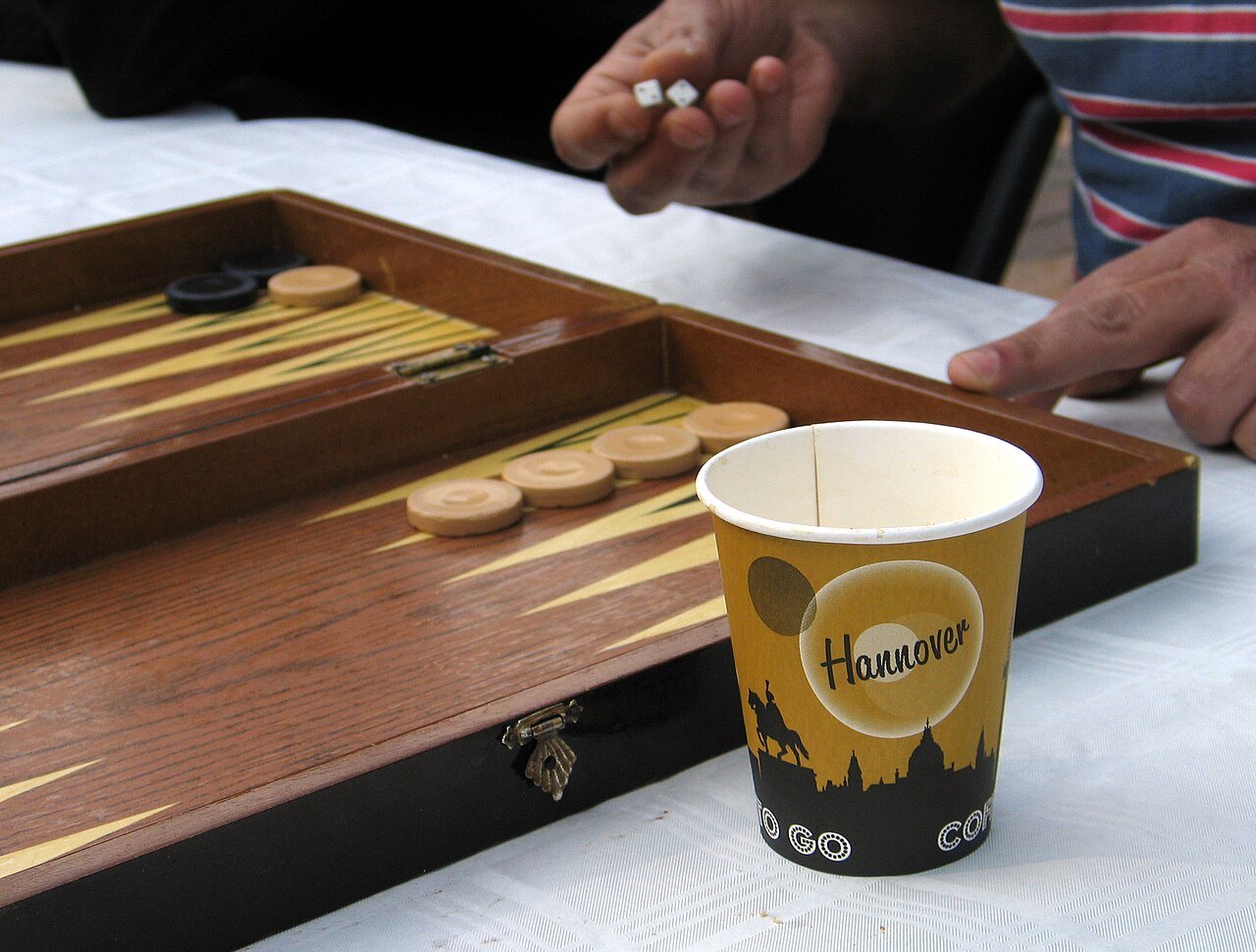
Chance can distribute information, create risks or intervene after a decision.
Tabletop games
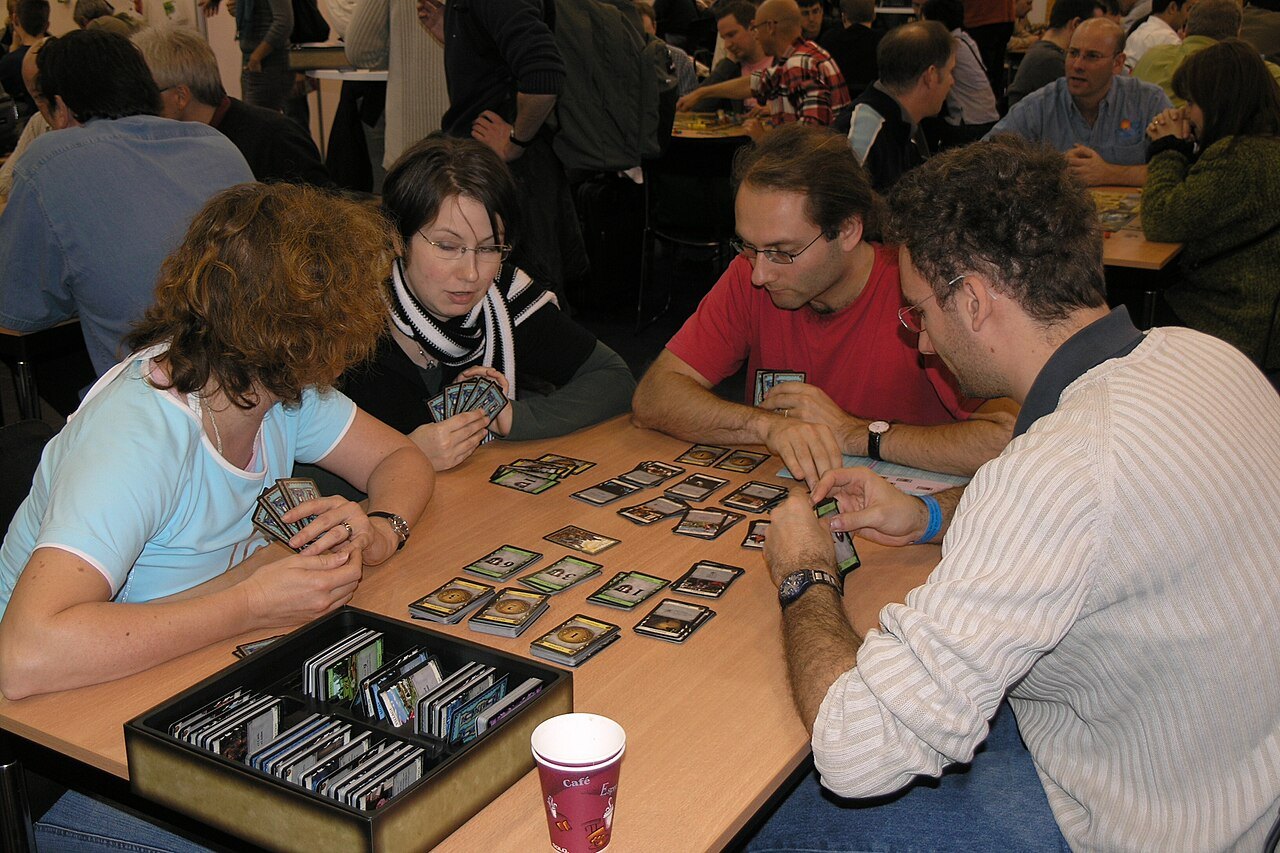
In deck building, each purchase changes both your options and the frequency of future hands.
Tabletop games
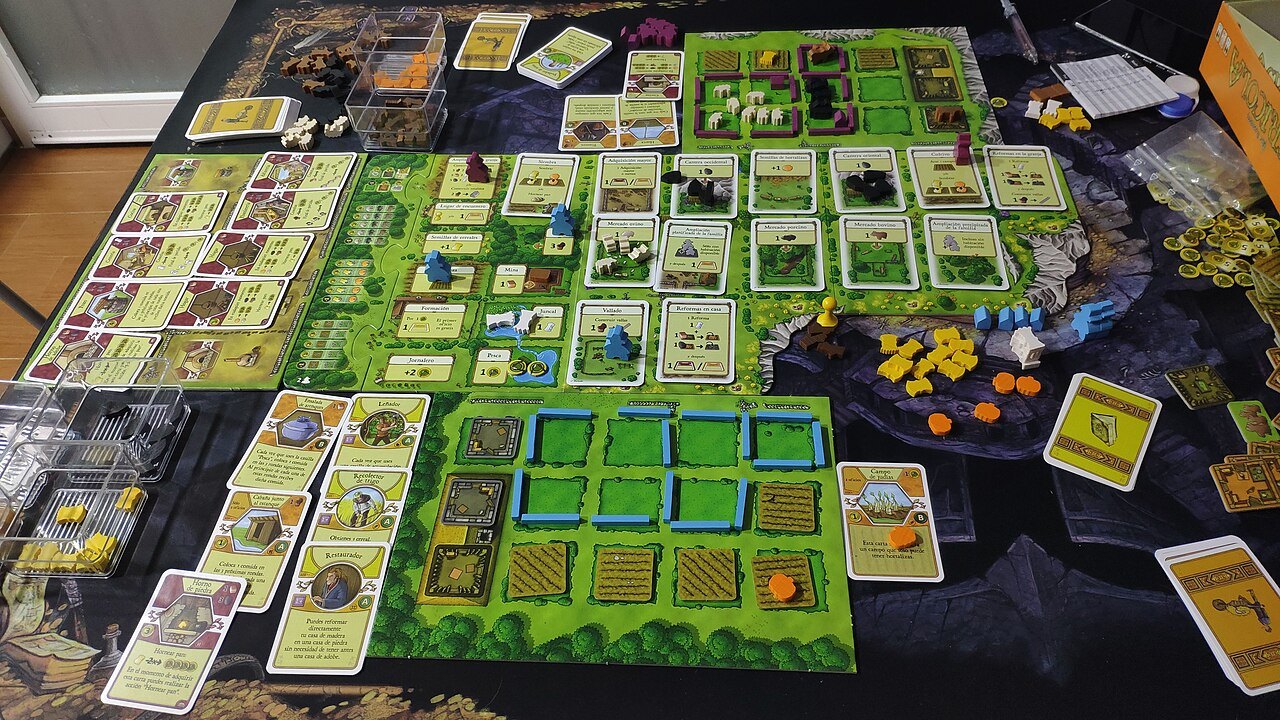
A placed worker represents both a chosen action and a committed opportunity.
Tabletop games
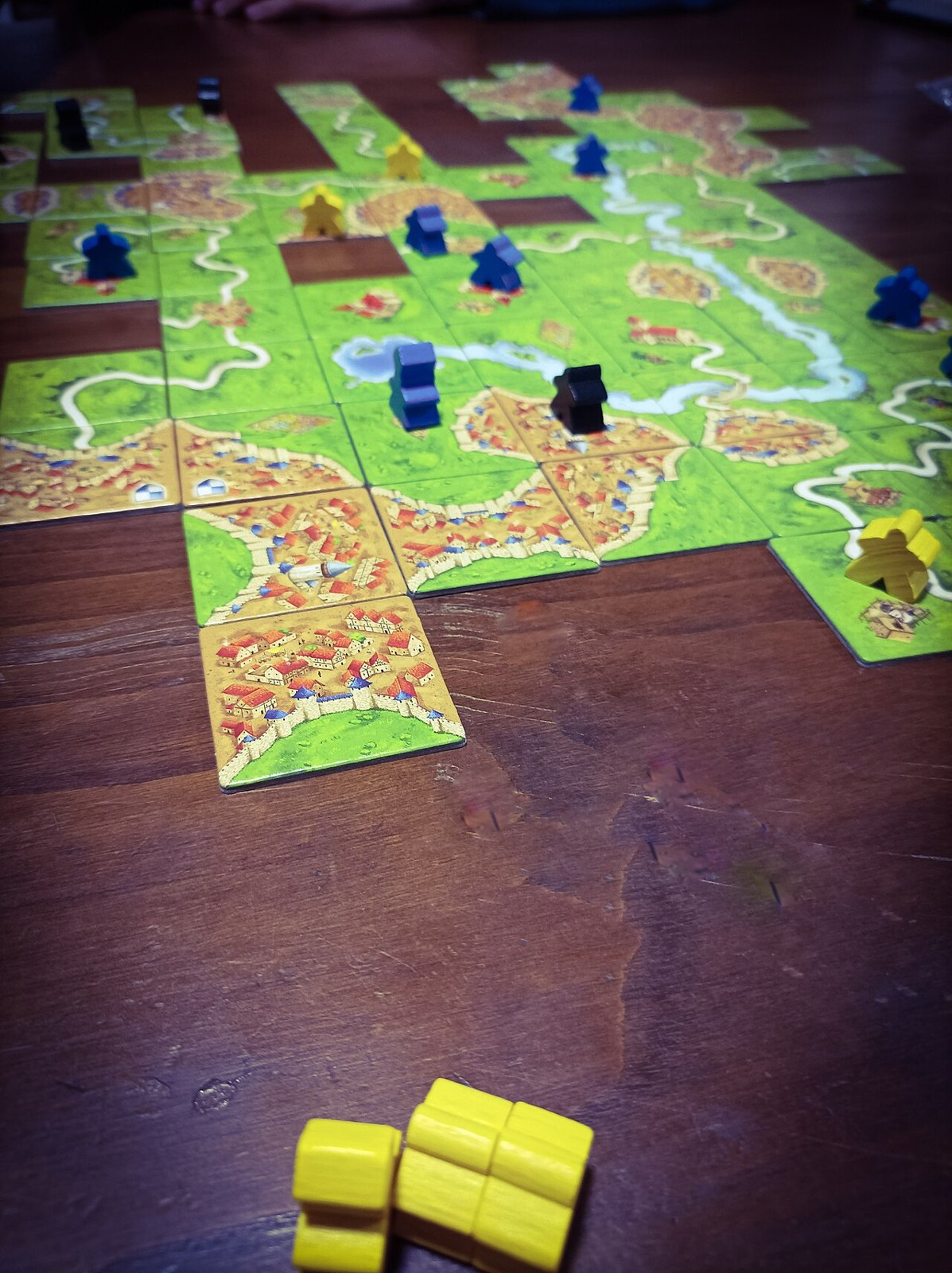
A tile changes not just its own space but the possibilities along its edges.


