El Pantera · CC BY-SA 4.0 · Resized; list images may be cropped.

Tabletop games
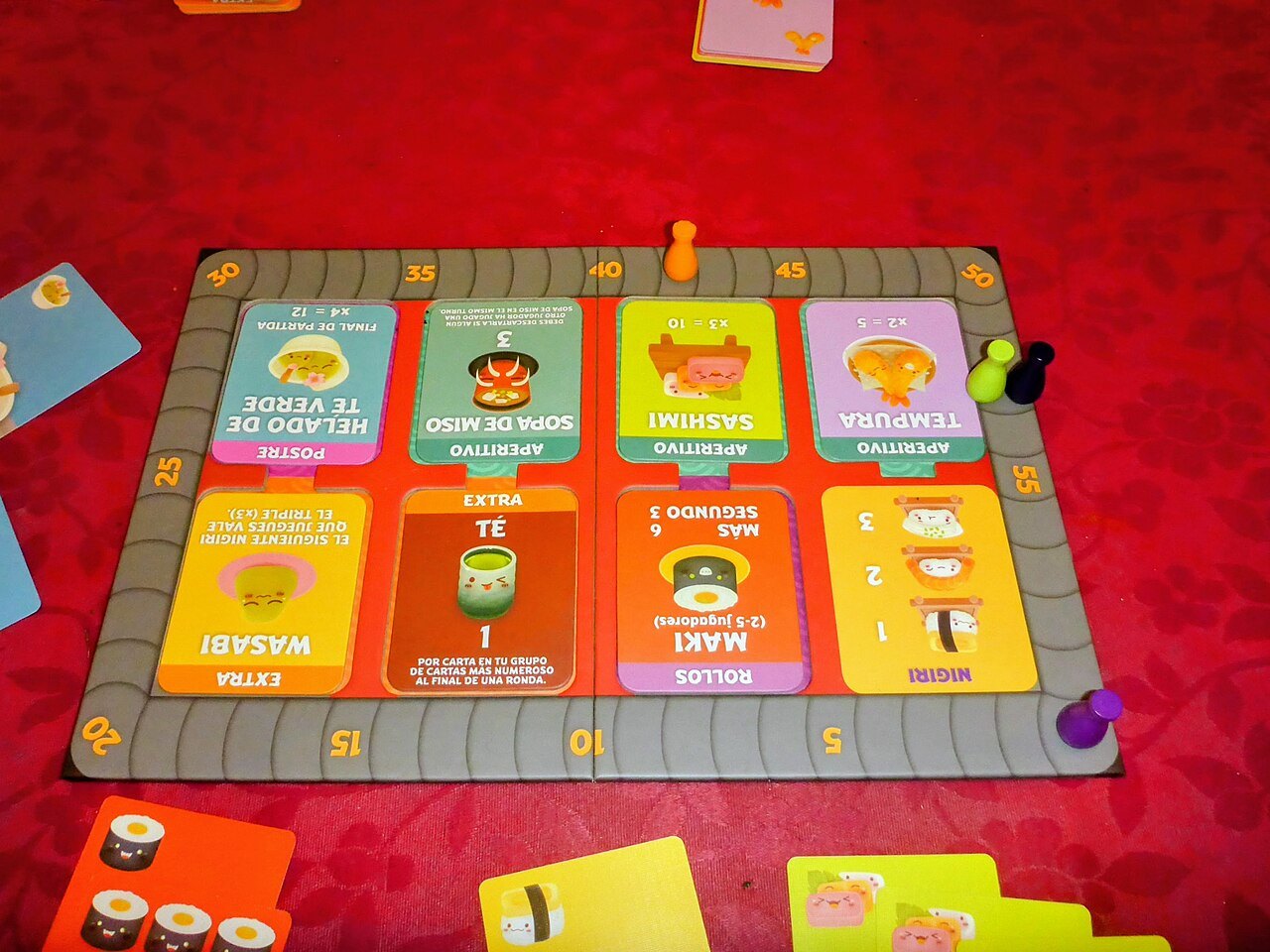
Drafting: choosing and passing
Drafting chooses a card for you and leaves a selection for the next player.
Understand game mechanisms, explain rules and bring a table together.
Tabletop games
Drafting chooses a card for you and leaves a selection for the next player.
Tabletop games
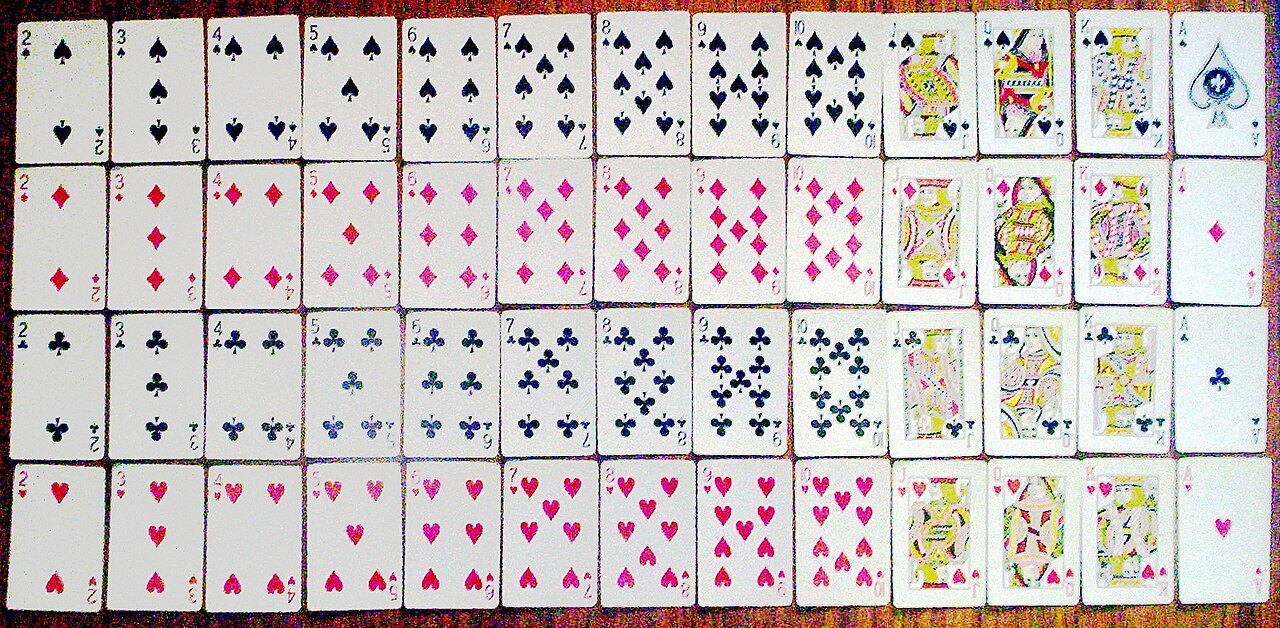
The scoring rule determines whether matching, different or related pieces form a useful set.

Tabletop games
The next opportunity has a cost: progress already made may be lost.
Tabletop games
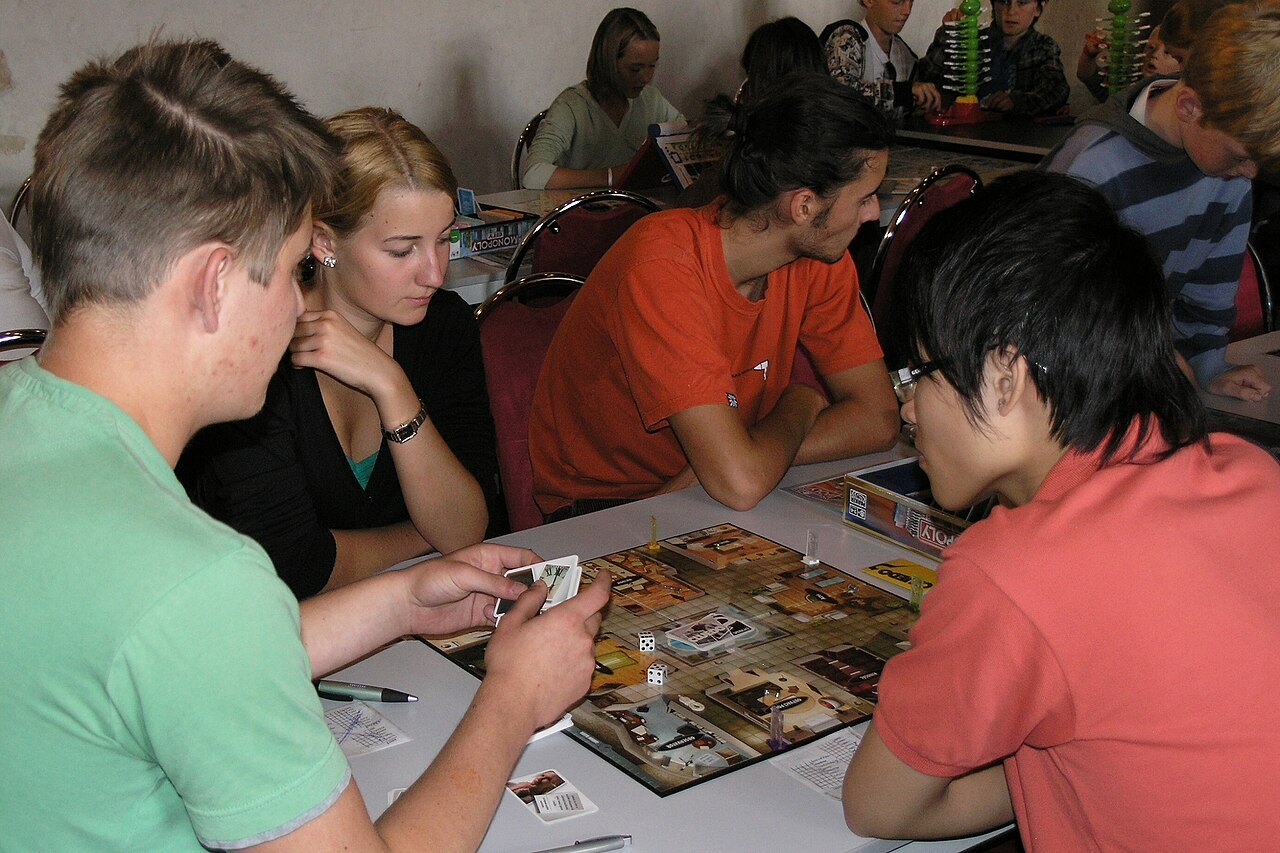
A clue becomes useful when you know which possibilities it actually excludes.

Tabletop games
Deception belongs within the agreed game; information outside that frame remains reliable.
Tabletop games
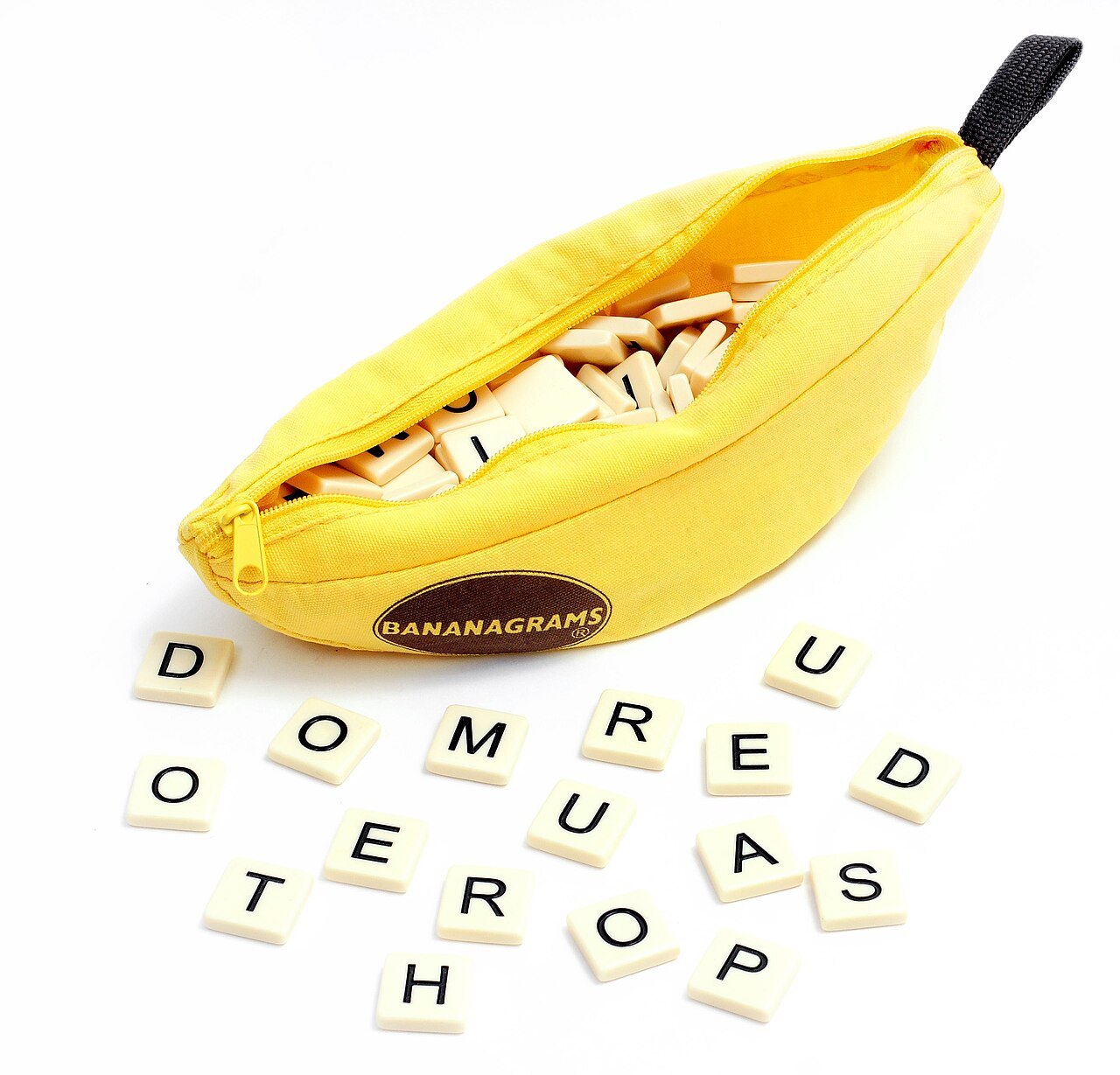
Vocabulary, clues and accepted spellings should match the language people actually use.
Tabletop games
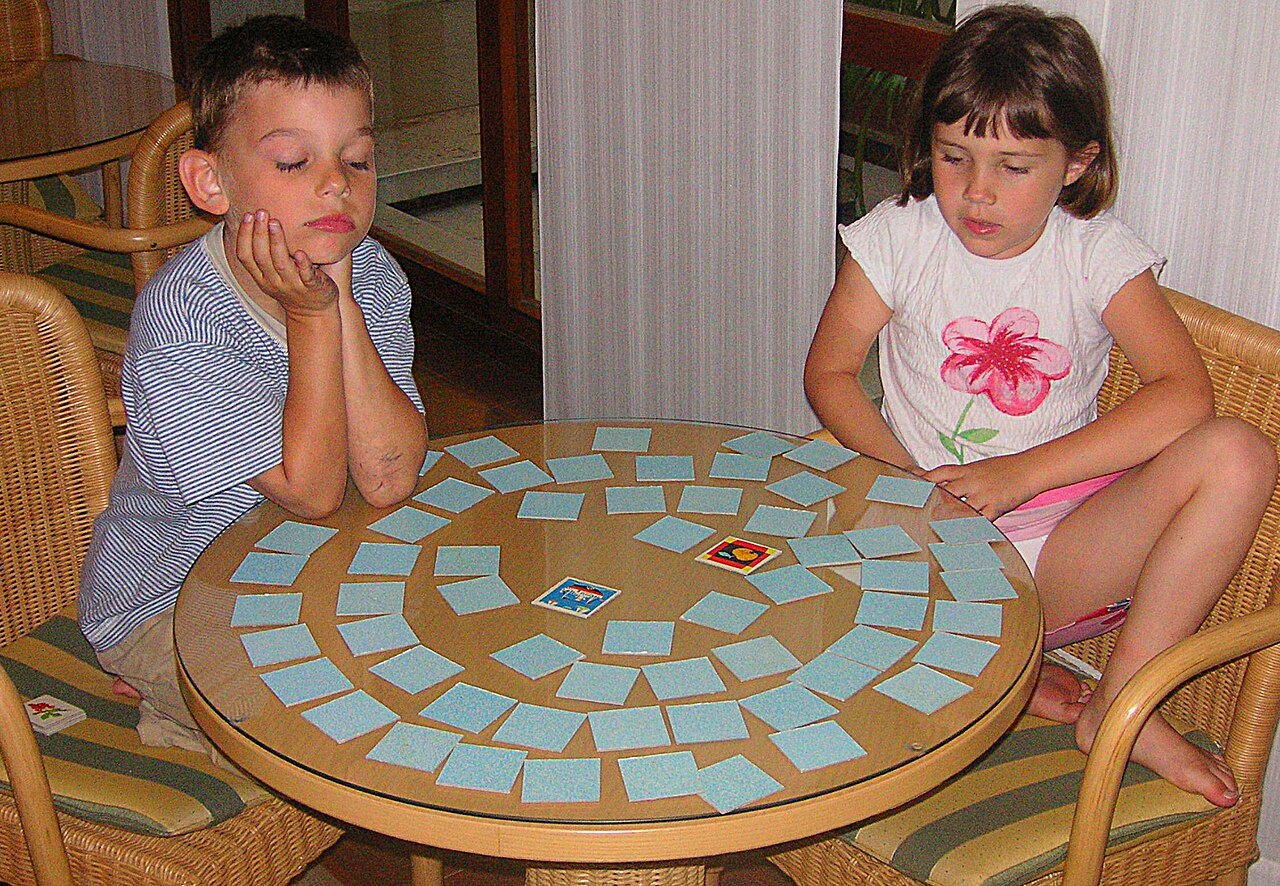
Stable positions and attentive observation help more than an unfocused look at every card.

Tabletop games
Surface, reach and clear touching rules are part of a dexterity game.
Tabletop games
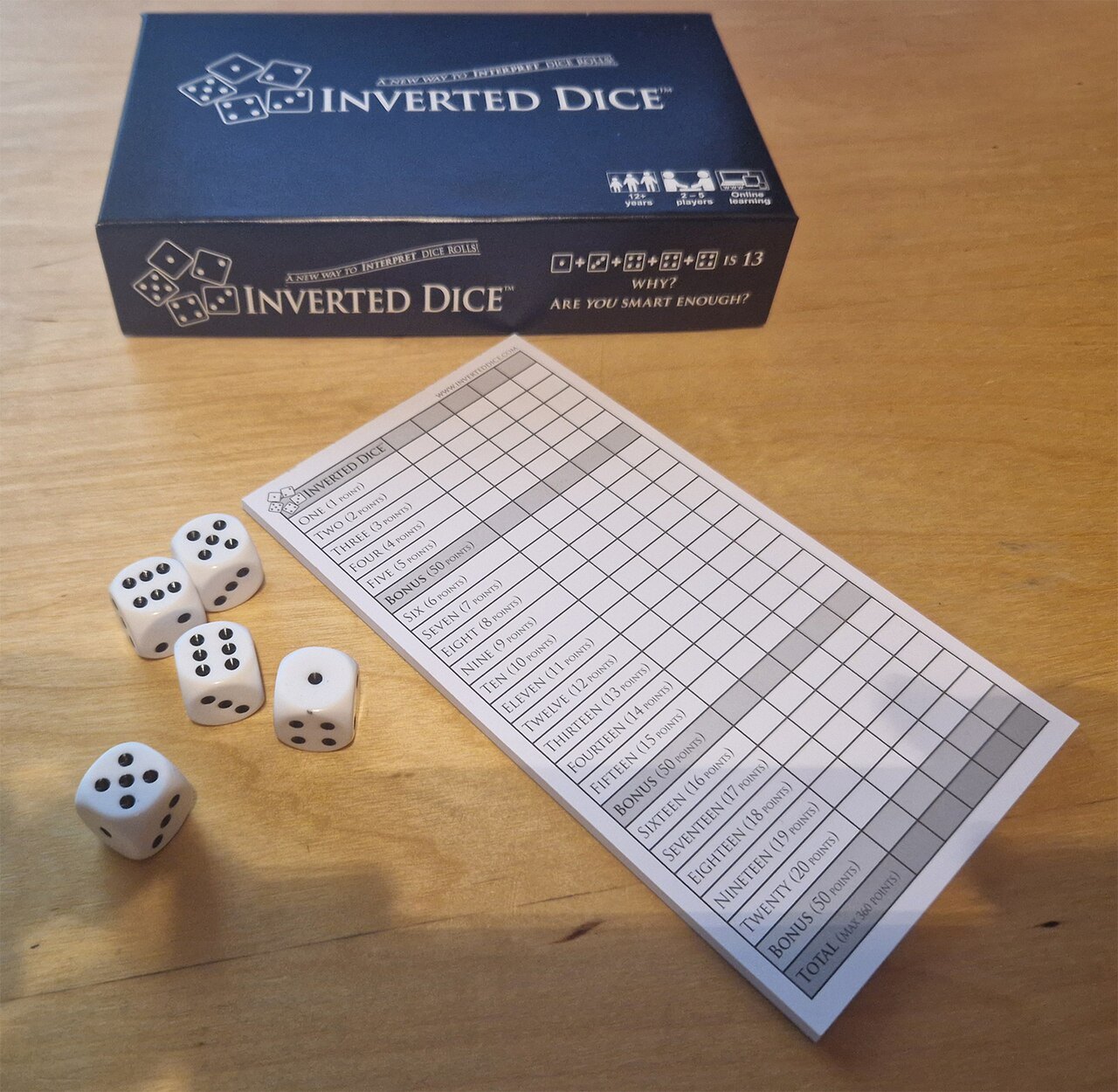
Shared dice can produce different plans when each player records a personal choice.
Tabletop games
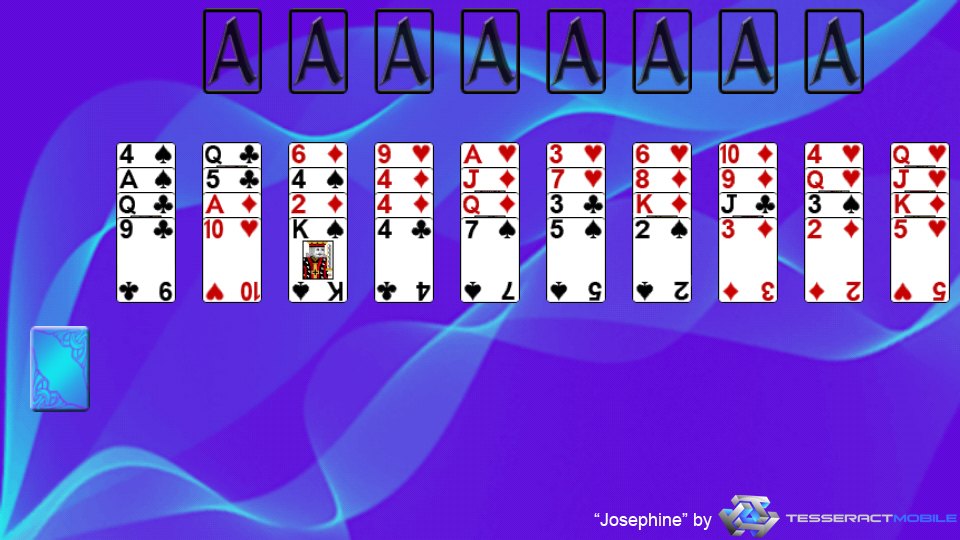
A satisfying solo game needs a clear objective and a process you enjoy managing alone.

Tabletop games
A campaign links games through consequences; good records link the sessions.
Tabletop games
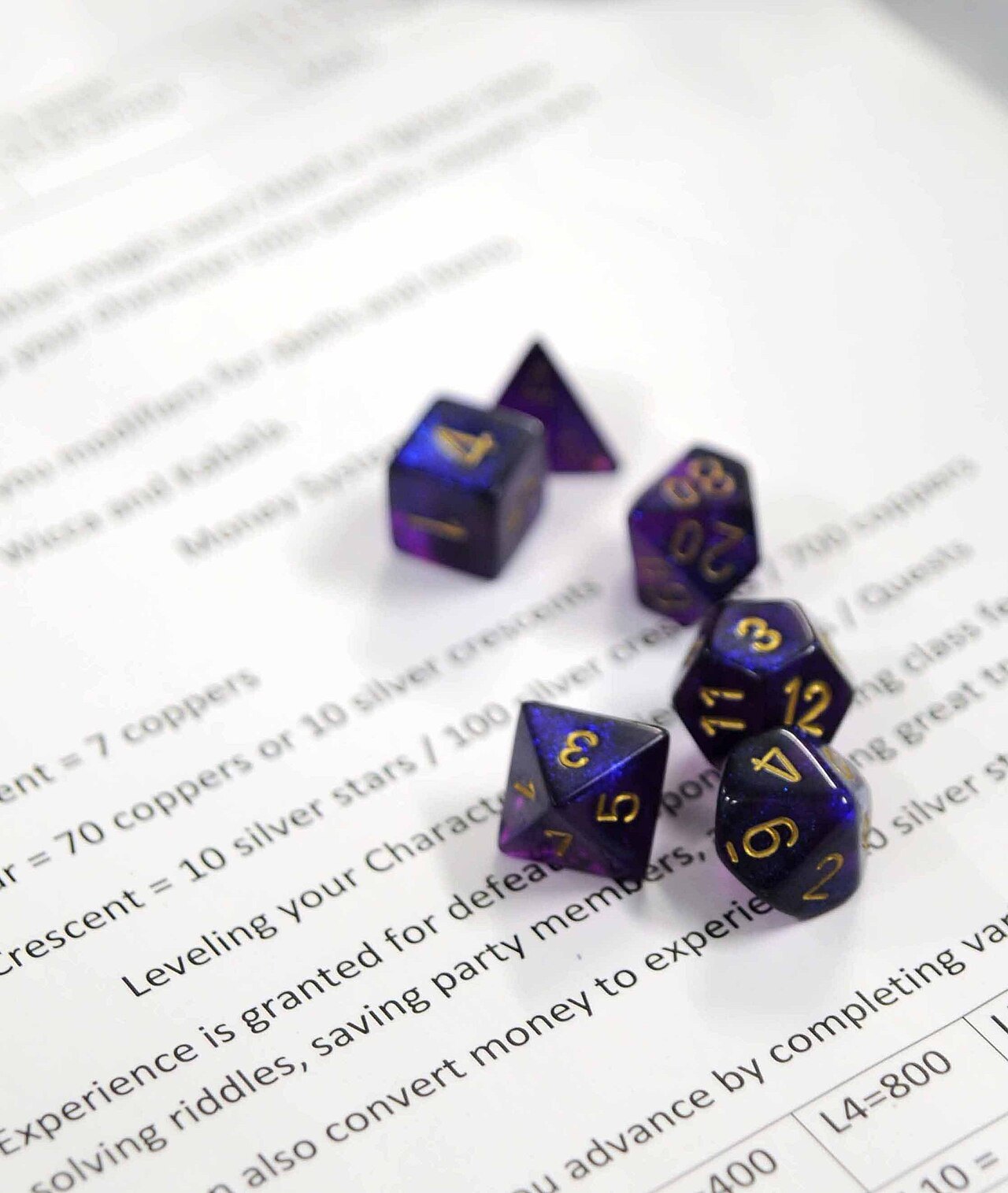
A first session needs a clear situation, understandable characters and room for shared decisions.


