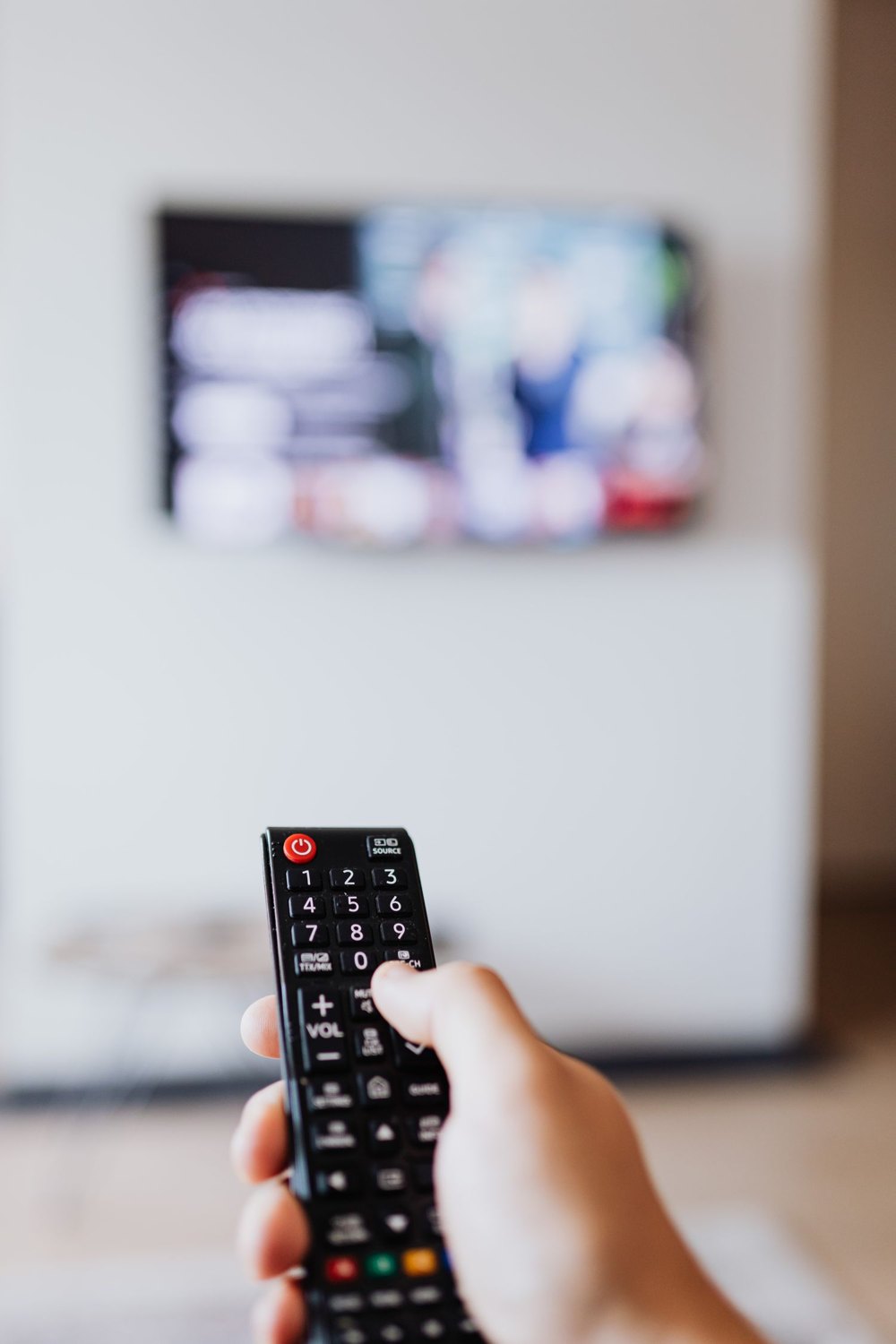
Changing picture mode often changes several settings at once. A brighter image may initially seem more striking without necessarily revealing more useful detail. Comparison becomes more informative when the content, viewing position and room lighting remain the same.
Choose three short excerpts
Choose a scene with faces in ordinary lighting, a dark shot with visible texture and a moving shot such as a camera pan. Note the timestamps so that you are not judging different pictures from memory. A paused frame helps with colour and outlines but does not replace watching movement.
Use a source that plays reliably. If a stream is changing quality, you may be comparing its data rate rather than the picture mode. Wait for stable playback and keep the same application and connection throughout this comparison.
Record observations rather than rankings
Write down precisely what looks different: do folds disappear in a dark coat? Do bright areas retain texture? Do skin tones become noticeably warmer? Are there conspicuous outlines around text? These observations are more useful than simply writing “better”.
A mode labelled Cinema or Film can provide a starting point, but its exact behaviour depends on the manufacturer. Daytime viewing may need a different brightness setting from evening viewing. Judge a mode under the room lighting in which you actually intend to use it.
Change only one further setting
Once you have selected a starting mode, change only one control at a time if necessary and repeat the same scene. Record its original value. You can then reverse an unwanted change without resetting everything.
Also check whether the television stores settings separately for inputs, applications, SDR and HDR. A result obtained with a connected player may not automatically apply to the internal application. The aim is a repeatable personal adjustment, not a claim of calibration: that would require defined signals, measuring equipment and an appropriate procedure.
When several people compare the picture, ask each for an observation before reaching a shared judgement. One person may notice distracting bright outlines while another notices altered skin tones. This supplies specific points to investigate without treating an individual preference as a technical fault.