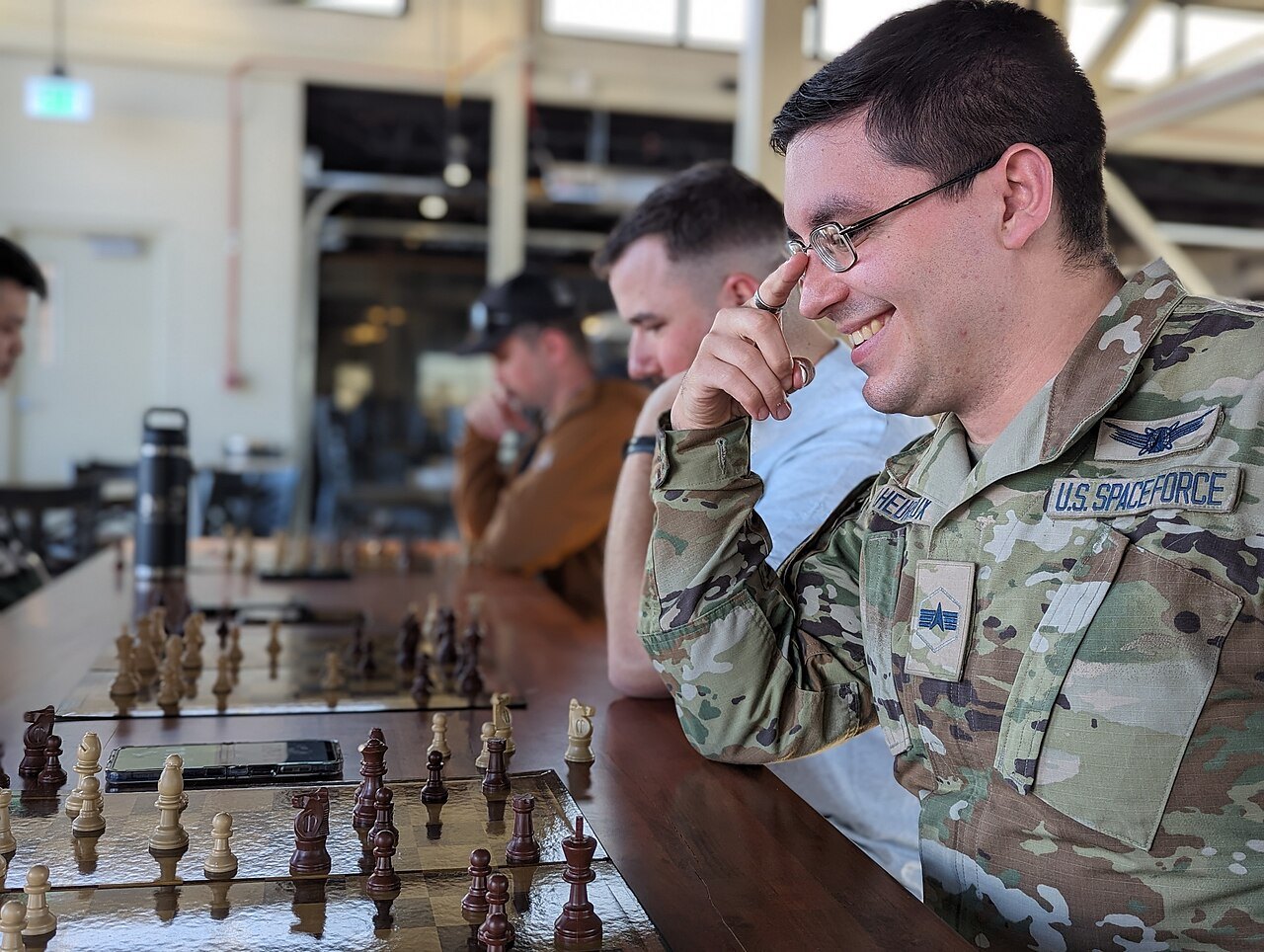
A friendly tournament gives several games a shared structure. It does not require elaborate event technology, but it does require clear agreements. Deciding pairings, time limits or tie-breaks only after results are known can look like retrospective favouritism. Write down the main conditions first and choose a scale that fits the available evening.
Select a suitable game
Everyone should know the game sufficiently or have access to a shared learning round. Different experience levels do not automatically prevent participation, but expectations should acknowledge them. A short game with an unambiguous result is easier to organise than a long one whose duration varies considerably.
Check how many complete copies are needed. Different editions may contain different rules or components. Specify the edition and variants in use. Avoid distributing expansions randomly between tables if the resulting games are supposed to contribute to a comparable overall competition.
Match the format to the time
With four people playing a two-player game, a complete round robin requires six games in total. Two tables can accommodate them across three rounds. This simple calculation helps plan the evening, but also allow for changing opponents, recording results and variation in game length.
Elimination requires fewer games but leaves eliminated players without a tournament match sooner. Provide optional further play or choose a format in which everyone receives several encounters. A small social evening does not need to imitate the structure of a major championship merely because it uses a scoreboard.
Publish scoring beforehand
Decide how wins, draws and any unfinished games count. If adding points from different games, consider whether different situations produce comparable values. A decisive victory does not correspond to a high absolute score in every game. Choose a measure that reflects what the competition is meant to compare.
Establish a simple tie rule. Shared places may be entirely sufficient. If a deciding game is planned, reserve time for it. Do not change the measure after discovering which participant would benefit from a particular interpretation or additional calculation.
Distribute starting conditions transparently
Where starting position may offer an advantage, use the specified randomisation or a predetermined rotation. Briefly record pairings and starting roles. Nobody should repeatedly receive the same favourable position simply because the physical table remained unchanged after the previous game.
Decide who resolves rules questions and distinguish a rules ruling from strategic assistance. If the organiser is directly involved, a neutral joint clarification may be preferable to giving the affected player the final word. Official events can impose additional requirements; a private format does not replace them.
Confirm results together
Have both sides check a result before the next setup. A simple sheet containing names, round and outcome is sufficient. Keep the table visible so mistakes can be corrected promptly. After the final game, provide a clear finish that acknowledges participation and interesting encounters without turning the evening’s standings into a lasting judgement about the people involved.