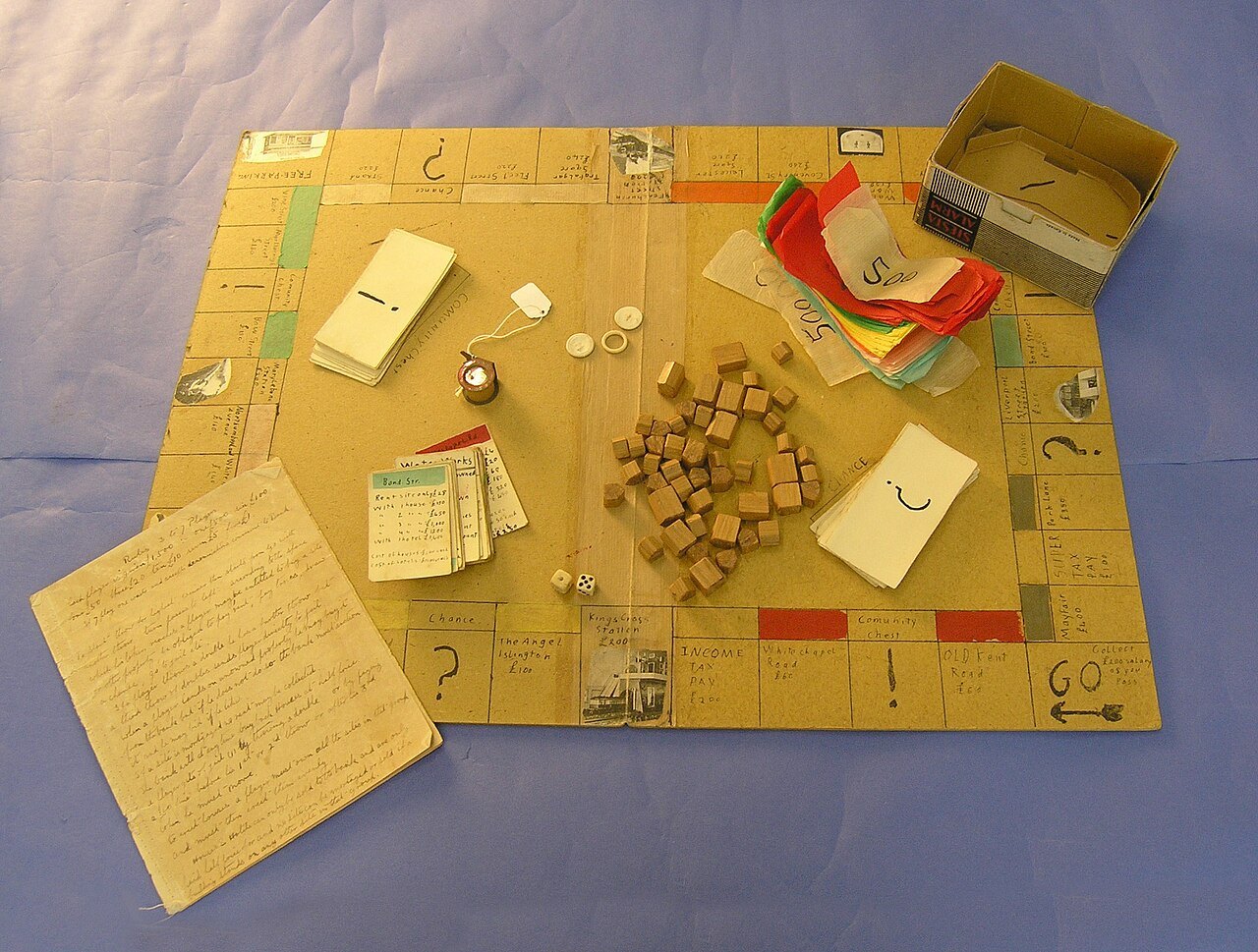

A small alteration can make a game suit a group better. It can also remove an important limit supporting the entire system. Before introducing a house rule, identify the specific problem it should solve. Preferring a different experience is a legitimate goal, but everyone still needs a shared understanding of what will change.
Check the printed rule first
An apparent weakness may result from a missed instruction. Check the relevant edition and official corrections before attempting to repair the system. Common misunderstandings involve round endings, drawing cards, limited supplies or the order in which scoring happens. A familiar rule from another game can be especially easy to import accidentally.
Where possible, complete at least one game using the intended rules. Only then can you see whether a slow opening serves a later purpose. A restriction that makes a deficit uncomfortable might also prevent a different advantage from growing unchecked. The effect of a rule is not always obvious at the moment it first applies.
Test one isolated change
Write the new rule in one or two precise sentences. State when it applies, who it affects and what happens. “Players can trade a bit more” remains vague, whereas one clearly limited additional trading opportunity can be applied consistently and evaluated afterwards.
Avoid changing starting resources, scoring and turn count simultaneously. Otherwise, you will not know what caused an improvement or a new problem. One documented alteration provides clearer feedback than a series of improvised corrections made during play whenever somebody dislikes the current outcome.
Include newcomers in the agreement
Explain the variation before the first turn and distinguish it explicitly from the original rule. Otherwise, new players may later use the modified procedure elsewhere without realising it differs. A tournament or official comparison follows its own published requirements rather than the habits of a particular household.
After the trial, ask whether the original problem became smaller and what side effects appeared. Do not retain a change merely because it has become familiar. It may suit one group and not another. A useful house rule needs no universal claim; it needs a clear agreement for the people at this table.