
A game may contain little text yet remain difficult to access when essential information appears only in similar colours. Another may have large cards while requiring rapid reading and a long reach across the table. Rather than asking whether a game is generally “easy”, examine the actions it requires with the people who will play and identify where an adjustment would help.
Ask about needs rather than inferring them
A diagnosis, age or visible aid does not automatically reveal which support somebody wants. Ask about concrete conditions: is the print readable, can pieces be distinguished, is more time useful, and would assistance with holding cards or a different arrangement help? The person receiving support should be able to decide what is offered.
A conversation before the gathering can prevent unwanted attention during play. Share a description of the game and its demands without requiring someone to explain personal circumstances to the group. Access begins with selection rather than ending with an extra cushion at the table.
Make information identifiable in more than one way
Colour is easier to use when shape, symbols or clear labels also identify components. Check the actual pieces under the lighting that will be used. Colours that look distinct in a product photograph may appear similar in the evening. Any added marking must avoid unintentionally revealing information that should remain concealed.
Large print helps only when contrast and viewing angle are suitable too. An open reference sheet can be enlarged where permitted for the intended use. Enlarging secret cards is more complicated because it changes size, handling or recognisability. Look for a solution that preserves both readability and the intended information boundaries.
Adjust handling and reach
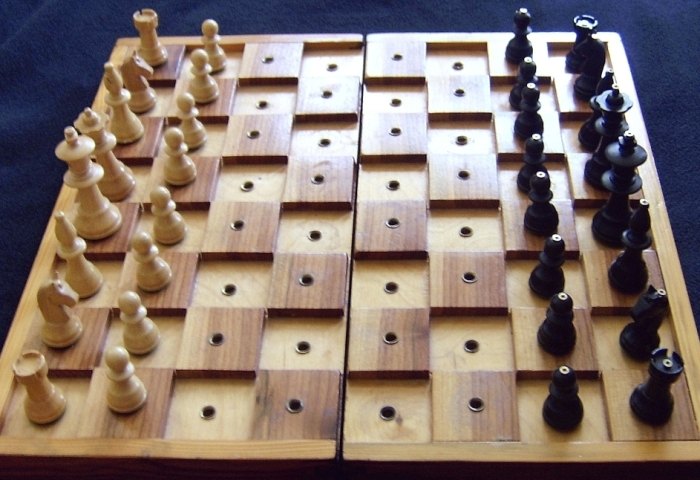
Card holders, shallow dishes and a nearer supply can make movements easier. Test them before the main game. A holder should not display cards high enough for others to see a private hand, and a container should not hide important quantities. An aid must fit the actual task rather than merely be present on the table.
Someone can move pieces for another player when requested. The decision remains with the person whose turn it is. Briefly confirm the intended action, carry it out and avoid unsolicited strategic corrections. Assistance with movement should not quietly become control over the game or an additional source of advice.
Examine timing and communication
A timer is central to some games. Removing it can substantially alter the task and should be openly agreed. Sometimes a different game without speed requirements is a better choice. The same consideration applies to games depending entirely on spoken clues or rapidly recognised gestures.
For open discussion, a quiet setting and one speaker at a time can help. Where secret communication or restricted clues form part of the rules, an adjustment should not unknowingly remove that structure. Agree which version is now being played and whether competition remains appropriate under those conditions.
Ask concrete questions afterwards
Do not ask only whether everything was fine. A specific question about objective-card readability or access to the shared supply produces more useful feedback. Retain a helpful adjustment next time if it is still wanted. Accessibility is not a permanent label awarded to a box; it emerges from the interaction of components, rules, surroundings and the people at the table.