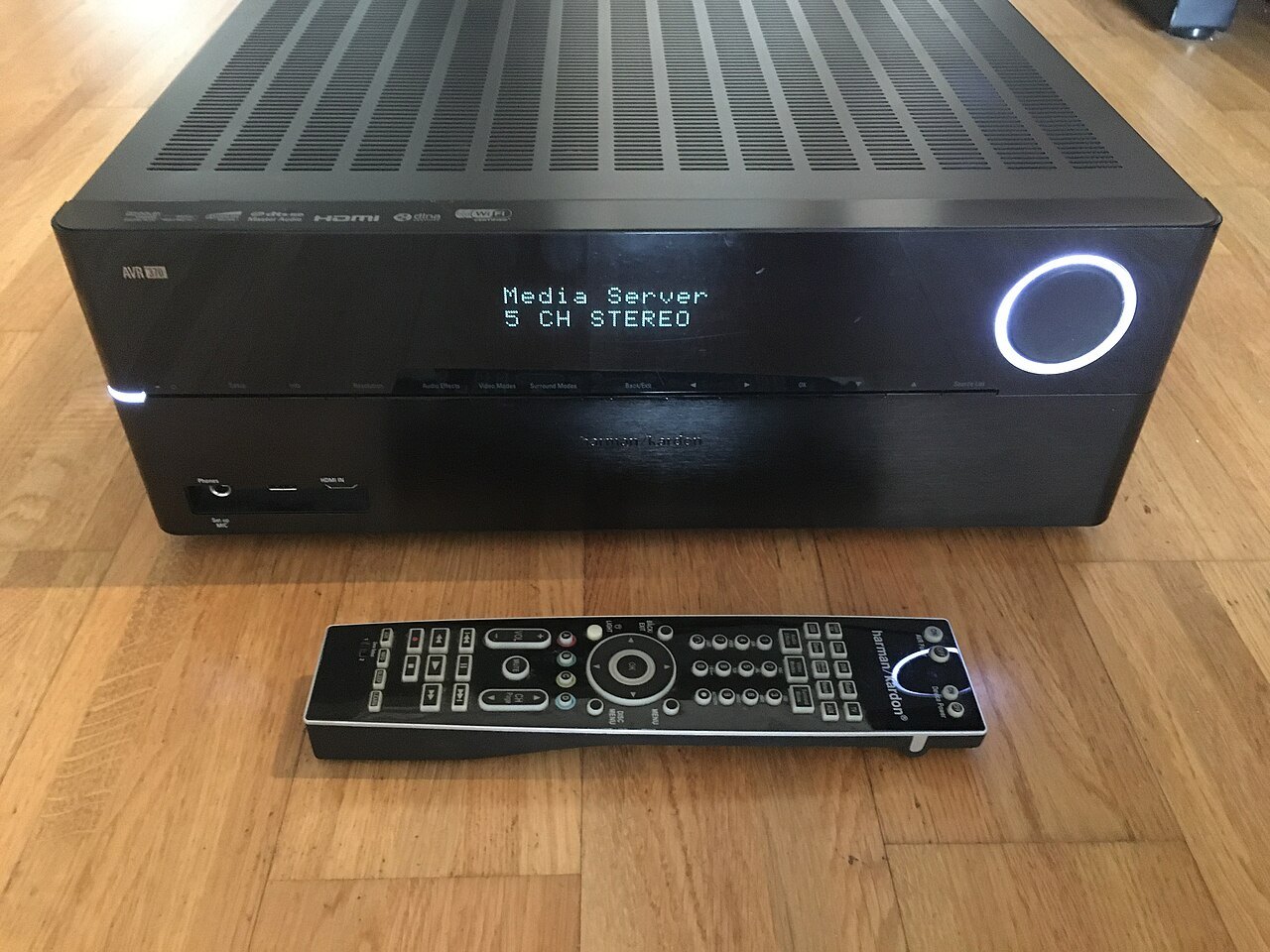

A device can fit inside a cabinet without being well positioned there. The width of its front panel is only part of the problem: ventilation openings, cable plugs and the path taken by warm air also need space. Check the installation instructions for the particular model before arranging the equipment.
Find the equipment’s air paths
Look in the manual for ventilation, installation and permitted positioning. Openings may be on the top, sides or rear. Clearance specified for a television cannot simply be transferred to an amplifier or projector. The permitted orientation also depends on the model.
Sketch the compartment with its equipment and cables. An open-backed cabinet helps less if it stands immediately against a wall or a bundle of cables obstructs the exit. With cabinet doors, consider the situation during use: opening a door only to switch something on does not make an otherwise enclosed compartment permanently open.
Check stacks and additional heat
Do not put magazines, fabric or decorations over ventilation slots. Another device can also block required clearance. Check both manuals before stacking equipment; the smaller box is not automatically harmless simply because it is light.
Consider sunlight, radiators and other equipment in the same compartment. An arrangement may work in a cool room and become troublesome under different conditions. Repeated shutdowns, unusual fan activity or relevant warning messages are reasons to check operation and positioning against the manufacturer’s instructions; they do not establish the cause by themselves.
Make maintenance accessible
Keep connections and manufacturer-designated cleaning areas accessible. Equipment that can only be inspected after dismantling the entire cabinet is easily neglected. Remove dust only as instructed and with the equipment in the specified operating state; this does not mean opening its casing yourself.
Photograph the finished rear arrangement before moving the furniture back. This makes displaced cables easier to identify later. Extra fans are not a universal substitute for required clearances. If the compartment cannot meet the installation requirements, a different location is the clearer solution.
Measure the cabinet before buying
For example, a compartment is wide enough, but a connector adds to the depth required. Pulling the device forward then leaves its top immediately beneath a low shelf. Measure more than the three casing dimensions: draw in connectors and required clearances. This complete envelope is what should be compared with the furniture.