A sound walk shifts attention from visible subjects to the surrounding soundscape. No recorder is required. A sheet of notes can be enough to capture which sounds occur, how they change and which you would normally overlook.
Choose a few suitable stopping points
Plan a short, accessible route with places where the group can stop without obstructing others. While walking, remain attentive to traffic and actual route conditions. Deliberate listening moments take place at suitable stops.
Agree on a brief quiet period followed by discussion. Nobody needs to close their eyes. The aim is not to block out the surroundings but to notice them more closely.
Describe sounds before identifying them
Note qualities such as brief, continuous, regular, nearby or distant. A recurring click can be interesting even when its source remains unknown. Separate observation from inference: “metallic clicking” describes the impression, while “a bicycle stand” suggests a possible cause.
Compare which sounds several people noticed. Differences are not mistakes. One person may attend to individual high sounds while another notices a steady background.
At a second stop, look for contrasts: what is new, what is absent and what accompanies the whole route? This creates a small sound map without measuring levels or making a technical assessment.
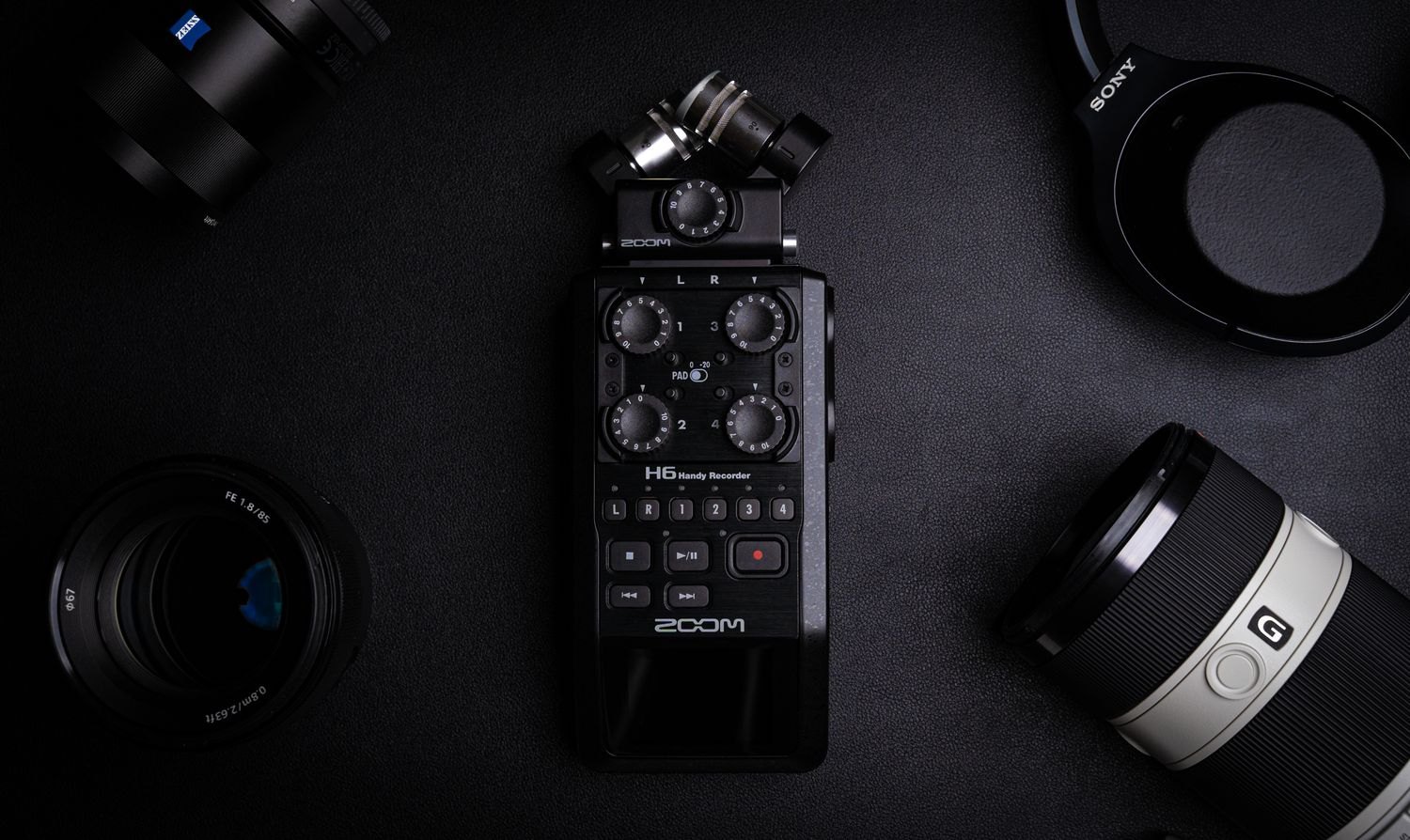
Treat recording as an optional extra
If you want to use a suitable device, learn its controls beforehand and keep recordings brief. Avoid deliberately capturing private conversations. A written description is often enough for the shared observation.
A recorder changes the task: controls, wind noise and file selection now require attention too. Decide whether the technology genuinely helps that day or distracts from listening.
At home, arrange the notes in sequence or use simple sounds you make yourselves to recall the route. This recreation need not be convincingly realistic. It reveals which sound qualities the group found characteristic.
A simple notes page
Divide a sheet into three areas for three stops. In each, write two qualities you heard and one open question. “Regular, distant” might sit beside “Where did the knocking come from?” The question can remain unanswered. Comparing the notes later shows how impressions changed along the route without turning uncertain source guesses into an apparently precise sound map. Someone who prefers drawing can use marks or shapes and explain what they represent afterwards.