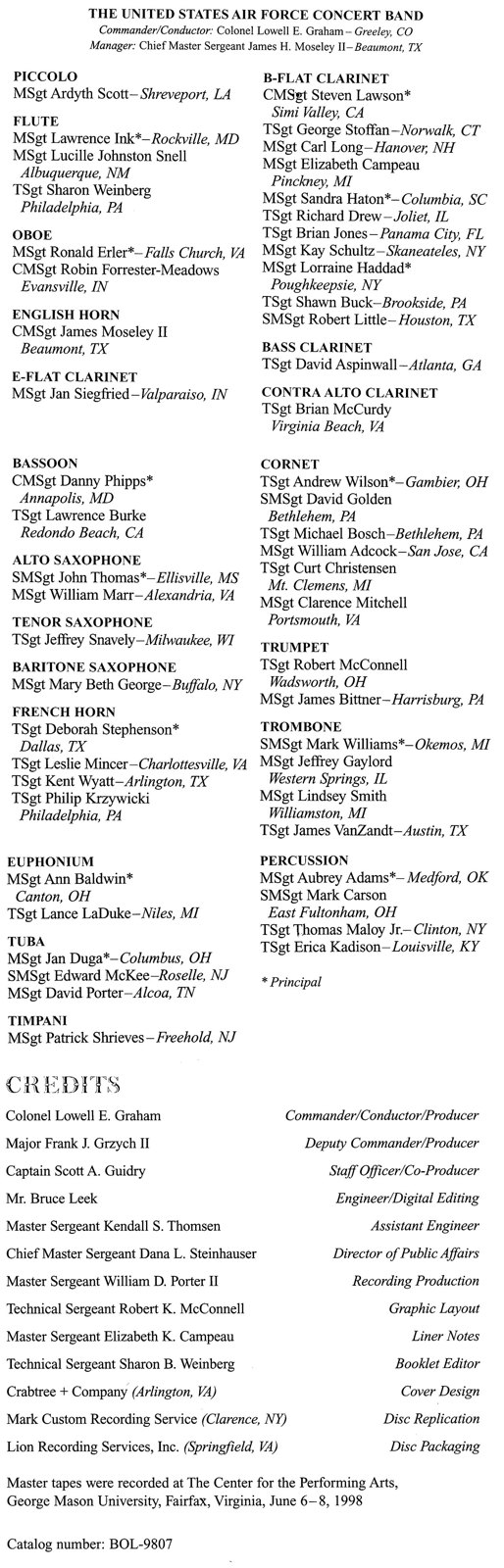
An album booklet can contain very different kinds of writing: personnel lists, lyrics, technical credits and a substantial essay. Treating them all as the same type of information obscures the difference between documented recording details and an interpretation. Begin with a specific question. Are you looking for the person playing an instrument, the version of a song or some historical context?
Match the booklet to the edition
Check that the booklet belongs to the release you are hearing. A later edition may add recordings and new notes. The album's release date, a session date and the essay's date are then different. Record these distinctions when using the information rather than attaching everything to the first year you see.
Digital credits may appear separately from the track list. Missing details do not prove that only the people named in the title participated. Check the official release page where necessary. A guess based on sound should not silently replace an absent personnel credit.
Read the roles separately
Songwriting, performance, production and technical processing describe different contributions. One person can hold several roles, but need not. Notice whether a credit applies to the whole album or particular tracks. A guest appearance on one song does not automatically establish the lineup elsewhere.
If an instrument attracts attention, find that track and its listed contributors. Leave the attribution open when the information does not resolve it. Even extensive credits may group responsibilities without assigning every audible detail to one person. They are a documented starting point rather than a complete map of every sonic decision.
Treat an essay as a conversation partner
The Library of Congress makes historical booklets from its Folklife releases available, including contextual and scholarly writing. Such material can introduce terms and relationships unavailable through listening alone. Read the author's identity, date and occasion alongside the argument, however.
Afterwards, choose one claim that can be examined in the recording and one detail supplying outside knowledge. A described change of instrumentation may be audible; a biographical fact cannot be confirmed from the music. This distinction makes reading more precise. The booklet complements listening without determining the personal effect the recording must have on everyone. It can also supply a useful next question when a detail in the performance remains puzzling.