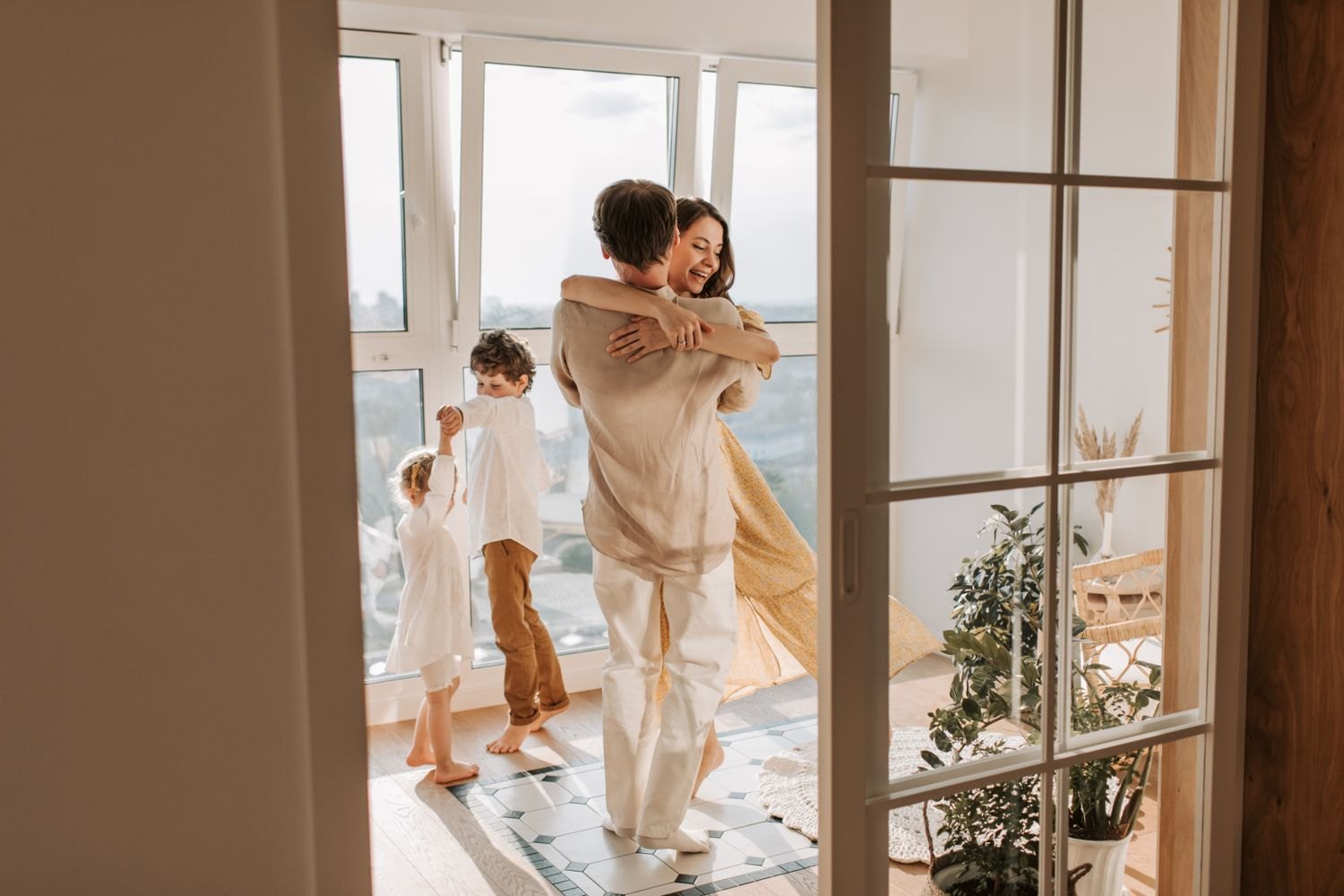
A living-room dance evening need not become either a lesson or an imitation nightclub. A small clear area and a manageable music selection are enough to begin. Plan it so that joining in remains voluntary and the room also accommodates listening and breaks.
Check the space against actual movement
Remove loose objects from the intended area and keep routes to doors and seats clear. Check the floor, rug edges and cables. Choose movement that suits the available space rather than an imagined version of what a dance evening ought to look like.
Agree that lifts, jumping on furniture and other unsuitable actions are outside the activity. Small steps or seated movements can work equally well in a relaxed gathering. Someone who prefers watching needs a place outside the movement area.
Build short music blocks
Collect requests from the group and arrange a few tracks into a short sequence. Different tempos can add variety without being framed as increasing difficulty. Follow a block with a deliberate break or an opportunity to change the selection.
Check the volume in the actual room. Music should support the activity rather than prevent communication. Use authorised playback services and observe their conditions. A private selection need not be recorded or published.
If someone wants to demonstrate a simple movement, the group can try it briefly. This should not turn into unannounced instruction with corrections. Ask whether people want to copy it and allow alternative movements.
Let the group shape the evening
Notice if more people are sitting than dancing. That suggests offering a break or another activity rather than pushing everyone back onto the floor. A shared favourite can also be enjoyed while seated.
End the dancing with a clearly announced final track. Afterwards, restore cables and moved furniture together. If people want to repeat the evening, note suitable tracks and the room arrangement. Next time can begin more easily without copying the entire sequence.