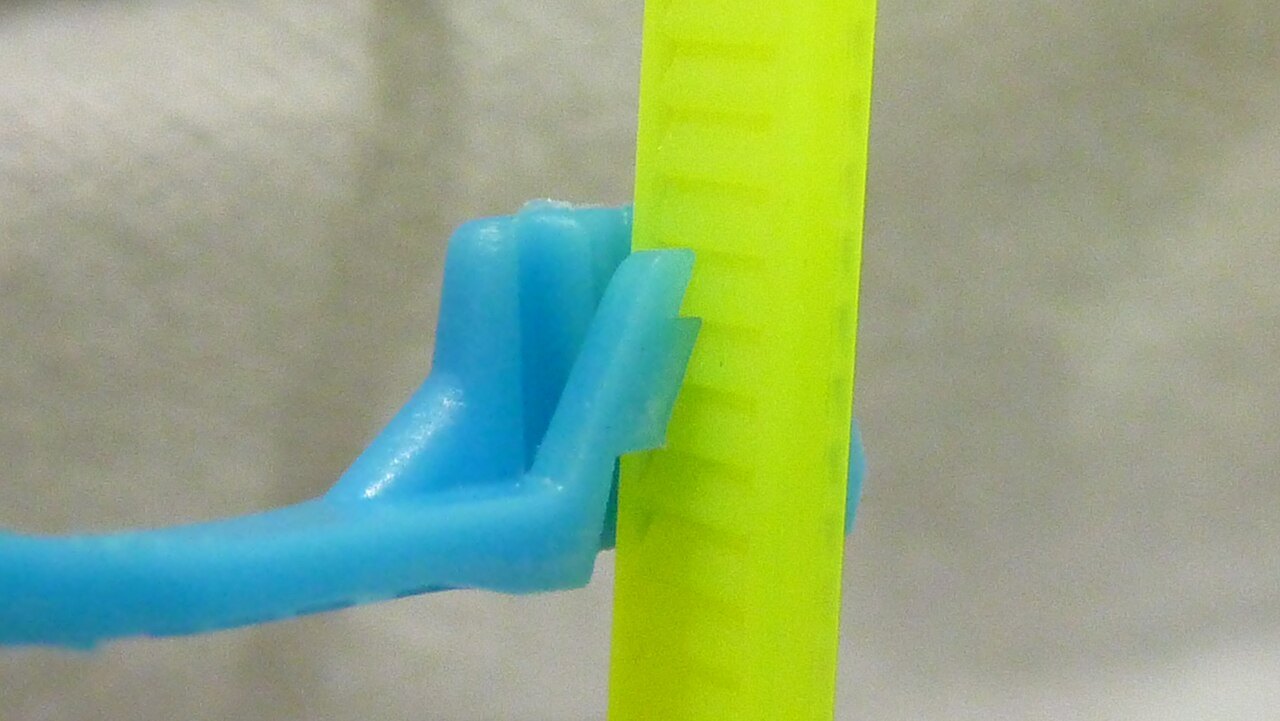
An orderly entertainment area does not need to make every cable invisible. More important are strain-free connections, unobstructed airflow and the ability to disconnect one component clearly later. Begin with a small connection plan. Bundling everything tightly at once may hide a problem while making it considerably harder to investigate.
Identify before bundling
Label both ends with source and destination. For similar HDMI connections, include the port used. First confirm that the setup works correctly, then bundle or route cables behind furniture. This preserves easy access while changes are still needed.
Measure the actual route, including movement required for maintenance or access. A cable should neither be stretched nor piled into an unnecessarily confusing loop. Follow manufacturer guidance on length, direction and bending, especially for active or optical connections.
Photograph connections before they become difficult to reach. The image can later supplement labels. If sharing it, check that it does not reveal information unnecessarily.
Keep walking routes and ventilation clear
Where possible, route cables so nobody regularly steps over them. A connection crossing the room is not a permanent solution merely because it is rarely used. Choose appropriate cable guides for the location and ensure doors or moving furniture cannot trap anything.
Bundles must not cover ventilation openings. Check behind equipment for connector space and required airflow too. A deep connection panel needs room even when the cabinet fits the shelf. Do not push furniture against cables just to achieve a flush front.
For mains connections, follow the equipment and power-distribution instructions. Do not alter leads or plugs or improvise an electrical installation. If suitable power is unavailable at the intended location, resolve that separately.
Make each connection recoverable later
Use removable organising aids when the setup changes regularly. One cable should be removable without straining all the other connections. Update labels after replacement; an old label on a new device can point you in the wrong direction.
Finish by checking ordinary operation and cleaning access. The arrangement is organised when it remains understandable and manageable. A perfectly concealed bundle that turns every adjustment into a complete rebuild only partly achieves that purpose.