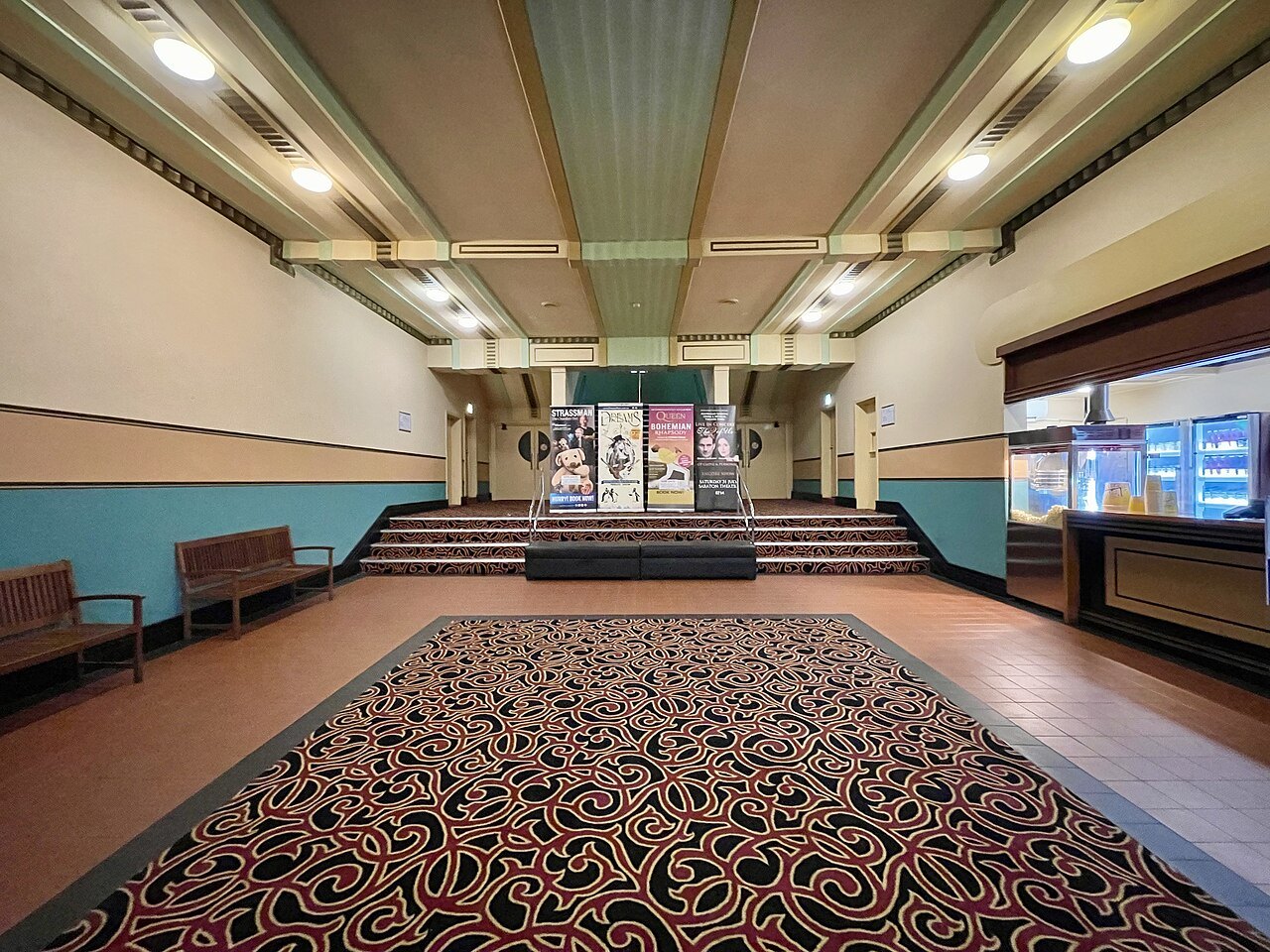

Arrival planning does not end at the station or car park. There is still the walk to the building, possibly a security check, orientation inside and the route to your seat. Considering these stages separately helps a cultural evening begin with less avoidable time pressure.
Confirm the correct destination
Compare the address on your booking with the organiser’s arrival guidance. One institution may operate several venues. Also check whether a particular entrance serves your area or a step-free route.
Save a short description of the final part of the route. A map pin in the centre of a building does not necessarily identify its entrance. In larger complexes, the exact foyer or hall name helps. Agree on a meeting point that companions can find without relying on live location sharing.
Build the timing from individual steps
Start with the announced performance time and work backwards. Include the venue’s admission arrangements, routes inside and your own needs such as coat collection or a toilet visit. A universal number of minutes will not suit every building or person.
On the day, check current transport information with the relevant operators. A previously saved connection may have changed. Identify a workable alternative rather than comparing several vague possibilities while already travelling.
For a group, a shared departure time can be more useful than simply agreeing to be there “in good time”. Decide what happens if someone is delayed. Avoid leaving others without ticket access outside the checks when the booking exists only on one person’s phone.
Follow the venue’s late-arrival arrangements
Check late-admission arrangements beforehand. Some performances allow entry only at a suitable point; others may impose stricter conditions. Rushing to the building therefore does not guarantee immediate access to your seat.
If you arrive late, speak to staff and follow their directions rather than opening a door independently. Planning cannot remove every disruption, but it makes the next steps clearer and avoids adding uncertainty.
Check the final approach
For an unfamiliar venue, a brief look at its official plan can resolve several questions: which side of the street holds the entrance, which door serves the hall and where will the group meet? If two people arrive from different directions, share the same precise point. A building name alone can create unnecessary searching when there are several entrances.